Buy Public Administration Optional best book for upsc optional public administration at Competer — printed and delivered with Cash on Delivery across India. Shop the full range below at the best price.
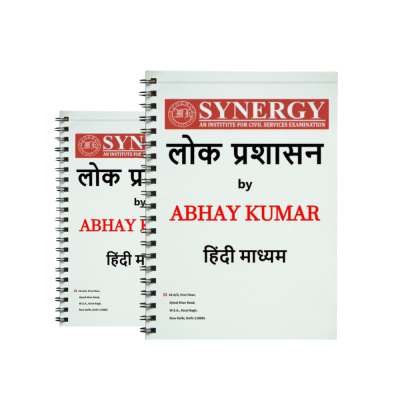
Abhay Kumar Public Administration Notes 2025-26 Hindi Medium 6 Booklets
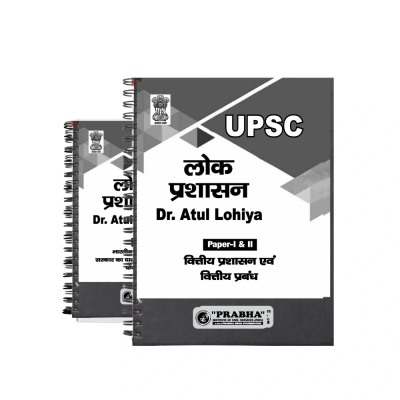
Atul Lohiya Public Administration Notes 2025-26 Hindi Medium 12 Booklets
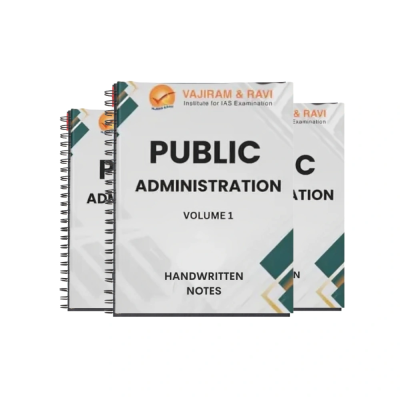
Vajiram Public Administration Handwritten Booklets 2025-26 Set of 6
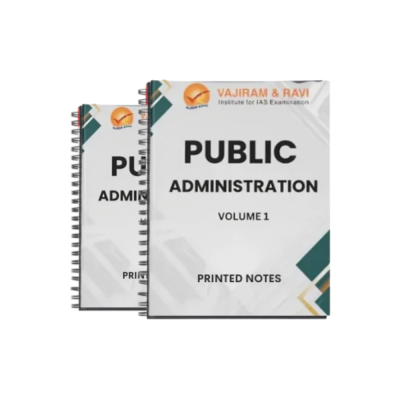
Vajiram Public Administration Notes 2025-26 Printed Booklets Set of 3
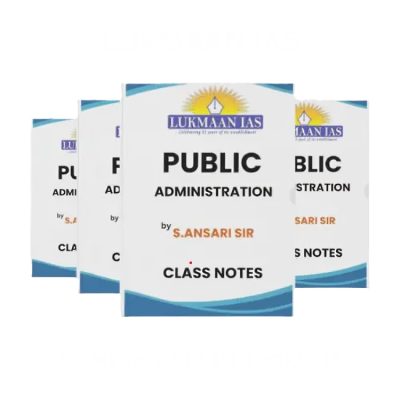
Lukmaan IAS Public Administration Notes by Ansari Sir 2025-26 Edition Booklets
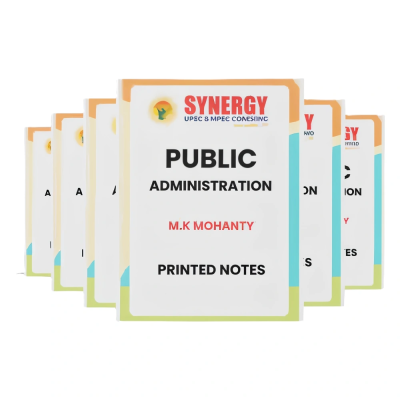
MK Mohanty Public Administration Notes 2025-26 Set of 6 Booklets
The best book for upsc optional public administration is the single resource that turns a vast, theory-heavy syllabus into an answer-writing advantage, and choosing it well can lift your optional score by fifty-plus marks. Public Administration remains a popular UPSC optional because its overlap with GS-II, Ethics and the Essay paper is huge, but that same breadth means the wrong study material leaves aspirants confused between thinkers, theories and administrative reforms. The curated Public Administration books and notes above are built to give you conceptual clarity for Paper I and application-ready content for Paper II, so you spend less time hunting for material and more time writing structured answers.
What the best book for upsc optional public administration covers
Strong Public Administration material maps directly to the two-paper UPSC syllabus. Paper I covers administrative theory — evolution of the discipline, thinkers like Taylor, Weber, Fayol, Simon and Riggs, theories of organisation, public policy, accountability and comparative administration. Paper II covers Indian Administration — constitutional context, the Union and State machinery, civil services, financial administration, local governance, and administrative reforms driven by ARC recommendations. Good study material also weaves in current developments, committee reports and case studies so your answers feel contemporary rather than textbook-bound. When theory and Indian application sit in one coherent set of notes, revision before the mains becomes far quicker.
How to choose the best book for upsc optional public administration
Match the resource to your stage. If you are starting fresh, prioritise material that explains thinkers and theories in plain language with diagrams and comparisons. If you have already read the standard texts, choose concise notes that focus on answer frameworks, keywords and interlinkages. Check that the content is aligned to the latest UPSC pattern, includes previous years’ question mapping, and offers Paper II examples from recent governance reforms. Aspirants short on time should favour crisp, well-structured notes; those aiming for depth may prefer comprehensive books they can annotate. Legibility, logical sequencing and syllabus coverage matter more than sheer page count.
Comparison: matching material to your preparation
| Resource type | Best for | Coverage depth | Revision speed |
|---|---|---|---|
| Comprehensive theory books | Beginners building fundamentals | Very high | Slower |
| Condensed toppers’ notes | Second-reading and revision | Focused | Fast |
| Paper II Indian administration notes | Application and case studies | High | Moderate |
| PYQ-mapped answer material | Answer-writing practice | Targeted | Very fast |
Who should buy these Public Administration resources
These books and notes suit anyone who has selected, or is seriously considering, Public Administration as their UPSC optional. First-time optional-choosers get a gentle on-ramp into administrative theory. Working professionals and repeat aspirants who need efficient revision benefit from the condensed notes. Candidates who have completed one reading but struggle to recall thinkers and link them across the syllabus will find the comparison-driven material especially useful. Even GS aspirants who have not taken the optional can use the Paper II content to strengthen governance and polity answers.
How to use the material effectively
Read Paper I first to build a theoretical vocabulary, then study Paper II so you can apply thinkers to real Indian administrative situations. Make a one-page map of each thinker and theory, and practise linking them — for example, connecting Weberian bureaucracy to civil-service reform debates. Attempt previous years’ questions after every topic and self-evaluate against the frameworks in your notes. Revise in short, spaced cycles using the condensed notes, reserving the comprehensive books for clarifying doubts. Consistent answer-writing, not passive reading, is what converts good material into marks.
Buying and delivery
Ordering from Competer is straightforward: pick the Public Administration book or note-set that fits your stage using the cards above, add it to your cart and check out. Your study material is printed and dispatched to your address across India, with tracking so you know when it will arrive. If you are unsure which resource suits your preparation, choose based on the comparison above — beginners start with comprehensive theory, revisers pick condensed notes. Placing your order early in the preparation cycle gives you maximum time to read, revise and practise before the mains.
Frequently Asked Questions
Is Public Administration a good optional for UPSC?
Yes. It has a manageable, static syllabus with strong overlap with GS-II, Essay and Ethics, which makes it efficient for aspirants who enjoy governance and organisational theory.
Which books cover both Paper I and Paper II?
The resources above are organised so that theory (Paper I) and Indian Administration (Paper II) are both covered; pick a comprehensive set for full coverage or add Paper II notes if you already have theory sorted.
Are notes enough, or do I need full books?
Beginners benefit from comprehensive books for conceptual depth, while revisers can rely on condensed notes. Many aspirants use books for the first reading and notes for repeated revision.
Do these resources include previous years’ questions?
PYQ-mapped material helps you see how thinkers and topics are actually asked, so prioritise resources that align content to past UPSC questions and answer frameworks.
How quickly will my order be delivered?
Your selected material is printed and dispatched with tracking to addresses across India; delivery timelines are shown at checkout so you can plan your study schedule.