Buy History Optional best books for upsc at Competer — printed and delivered with Cash on Delivery across India. Shop the full range below at the best price.
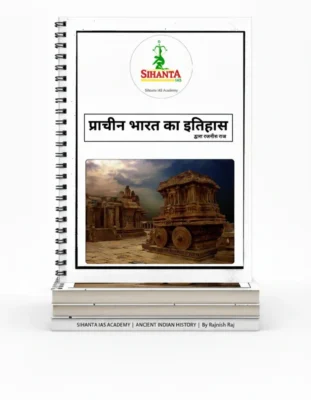
Rajnish Raj History Notes in Hindi 2025-26 | UPSC Optional
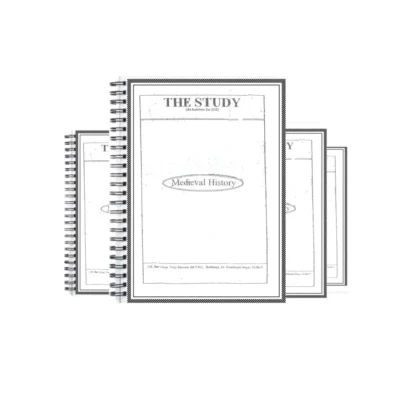
Manikant Singh History Notes 2025-26 | English | UPSC Optional
Hemant Jha IAS History Handwritten Notes in Hindi for 2025-26 | UPSC Optional
GS Score History Handwritten Notes 2025-26 | UPSC Optional Set of 4
Hemant Jha IAS History Hindi Notes 2025-26 | UPSC Optional Set of 5 Booklets
Hemant Jha IAS History Notes 2025-26 | UPSC Optional Set of 4
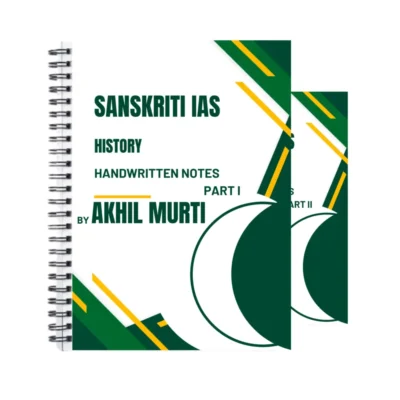
Akhil Murti Handwritten History Booklets By Sanskriti IAS for 2025 | UPSC Optional
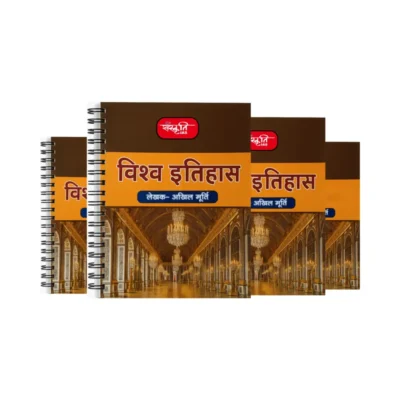
Sanskriti IAS History Optional Notes By Akhil Murti 2025 Edition Set of 4
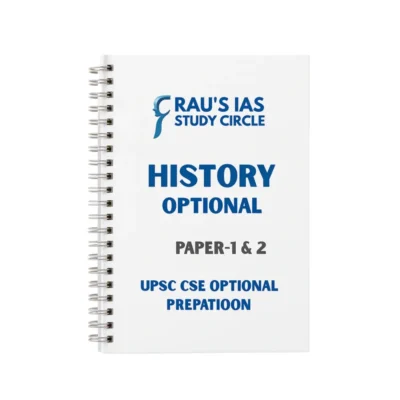
Rau IAS History Optional Notes 2025 Edition - UPSC Optional Booklets Set of 6
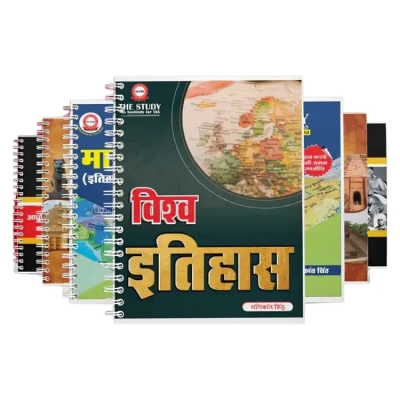
Manikant Singh History Optional Notes 2025 | Hindi Medium | 7 Booklets
Manikant Sir History Study Material 2025-2026 | 7 Printed Booklets in Hindi
S Baliyan History Notes 2025 | English | Printed Booklets Set of 5
Choosing the best history optional books for UPSC is one of the most important decisions you will make while preparing for the Civil Services Examination, because History remains one of the highest-scoring and most predictable optional subjects when studied with the right resources. This page brings together carefully curated books and notes covering Ancient India, Medieval India, Modern India, World History and the Historiography portion of Paper I, so that aspirants can build a complete, exam-ready foundation without hopping between dozens of scattered sources.
What This Collection Covers
History optional for UPSC is divided across two papers. Paper I deals with Indian History from the earliest times up to the Freedom Struggle, along with the tricky Historiography and Sources section that many candidates neglect. Paper II covers Modern World History, industrialisation, world wars, decolonisation and the redrawing of national boundaries. The resources featured above address every one of these areas — chronological narrative texts, thematic notes, map-based material for the pictorial questions, and answer-writing frameworks that connect events to analytical themes. Whether you are strong in Ancient India but weak in World History, or the reverse, the collection lets you strengthen specific segments rather than buying an entire library.
How To Choose The Best History Optional Books For UPSC
Selection should be driven by your background and the depth the syllabus demands, not by popularity alone. Ask yourself four questions before buying: Does the resource match the actual UPSC syllabus wording? Does it balance factual coverage with interpretation and historiography? Is the language readable enough to allow multiple revisions? And does it support answer writing with themes, maps and diagrams? A graduate from a History background may prefer standard reference texts, while an aspirant from a science stream often benefits from consolidated notes that compress a large syllabus into revisable form. The goal is a manageable stack you can revise three or four times, rather than an exhaustive shelf you read only once.
Comparison Of Resource Types
| Resource Type | Best Suited For | Depth | Revision Speed |
|---|---|---|---|
| Standard reference books | Beginners building core concepts | High | Slow |
| Consolidated optional notes | Working aspirants short on time | Medium to high | Fast |
| Map & pictorial material | Ancient and Medieval India questions | Focused | Fast |
| Answer-writing frameworks | Mains-stage refinement | Applied | Fast |
| World History modules | Paper II preparation | Medium | Moderate |
Who Should Buy These
These resources suit first-time optional aspirants who need structured guidance, repeat candidates who want to plug gaps identified in previous attempts, and working professionals who cannot spare time to read voluminous references cover to cover. Students who have chosen History optional after Prelims and need to cover the syllabus quickly will find the consolidated notes especially useful, while those with a longer runway can pair reference texts with map and answer-writing material for a more thorough command over the subject.
How To Use Them Effectively
Begin with a single narrative source per era to build a timeline, then layer notes and historiography over that skeleton. Prepare the World History portion in parallel rather than leaving Paper II for the end. Integrate map practice from the start, since pictorial and site-based questions are scoring and easy to lose if left untouched. Convert every topic into 2–3 practice answers, linking facts to themes such as continuity, change and causation. Revise in tightening cycles — first slow and detailed, then faster with only your notes — so that by the exam you can recall an entire era from a two-page summary.
Buying And Delivery
Placing an order on Competer is quick: select the resources that match your stage of preparation, add them to your cart and complete a secure checkout. Digital notes are made available for access shortly after purchase, while physical items are dispatched to your address with tracking details shared on your registered contact. If you have doubts about which combination fits your timeline, choose a core set first and expand later, since the syllabus rewards depth of revision over breadth of material.
Frequently Asked Questions
Are these enough to cover the full History optional syllabus?
Yes. The collection spans Ancient, Medieval and Modern India along with World History and Historiography, so it addresses both Paper I and Paper II of the UPSC History optional syllabus.
I come from a non-History background. Can I still manage?
Absolutely. Many successful candidates study History without a prior degree in it. Start with readable narrative resources and consolidated notes, then move to answer writing once your base is set.
How many books do I actually need?
Fewer than most aspirants assume. A compact, well-revised stack — one core source per era plus notes, maps and answer frameworks — is more effective than a large unrevised pile.
Do these help with answer writing for Mains?
Yes. Several resources include thematic frameworks and model structures that help you convert facts into analytical, marks-fetching answers under time pressure.
How soon can I start studying after ordering?
Digital resources are accessible soon after checkout, and physical deliveries are dispatched with tracking, so you can begin your preparation with minimal delay.