Buy UPSC study material at Competer — printed and delivered with Cash on Delivery across India. Shop the full range below at the best price.
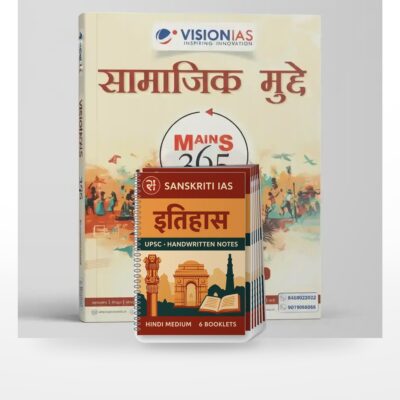
UPSC History Optional Mains Combo | Sanskriti IAS History Handwritten Notes + Vision IAS Mains 365 Set | Hindi Medium
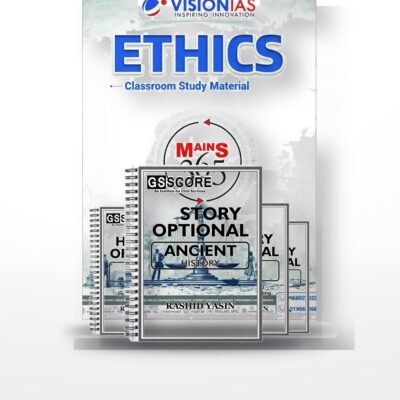
UPSC History Optional Mains Combo | GS Score History Handwritten Notes + Vision IAS Mains 365 Set | English Medium
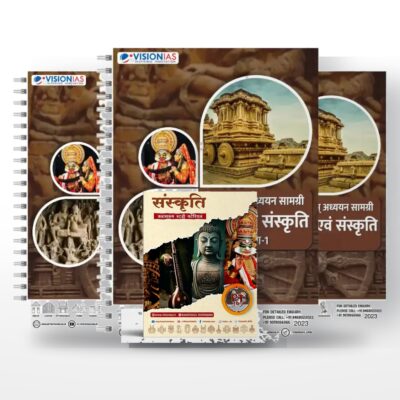
Vision IAS Art and Culture Complete Combo | Static Notes + PT 365 Culture | Hindi Medium

Vision IAS Art and Culture Complete Combo | Static Notes + PT 365 Culture | English Medium
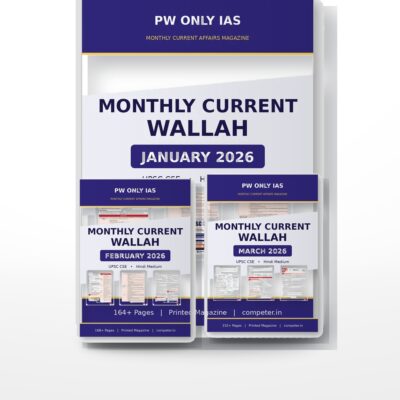
PW Only IAS Current Wallah Quarter Pack | January, February, March 2026 | Hindi Medium
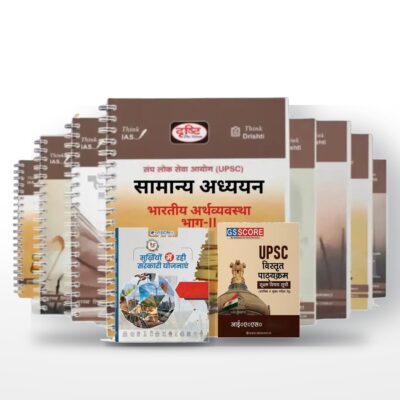
UPSC Beginner Starter Combo | Official Syllabus Booklet + Drishti GS Notes + PT 365 Set | Hindi Medium
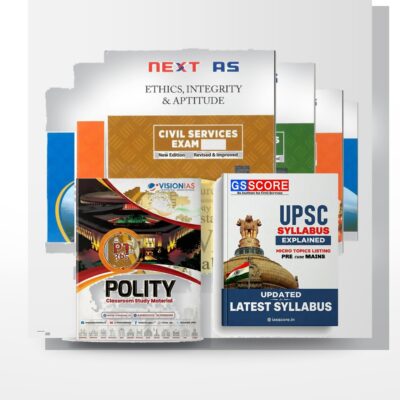
UPSC Beginner Starter Combo | Official Syllabus Booklet + Next IAS GS Study Material + PT 365 Set | English Medium
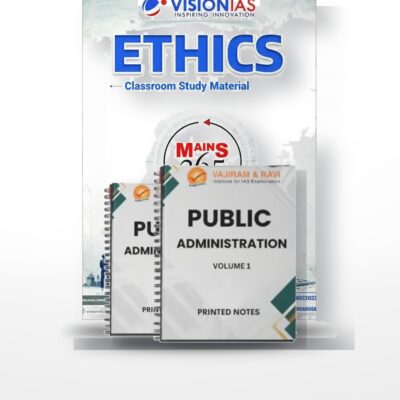
UPSC Public Administration Optional Mains Combo | Vajiram PubAd Notes + Vision IAS Mains 365 Set | English Medium
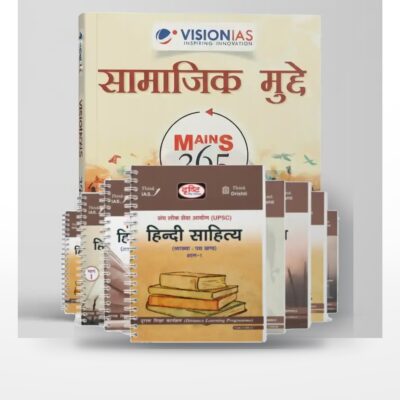
UPSC Hindi Sahitya Optional Combo | Drishti IAS Hindi Sahitya Notes + Vision IAS Mains 365 Set | Hindi Medium
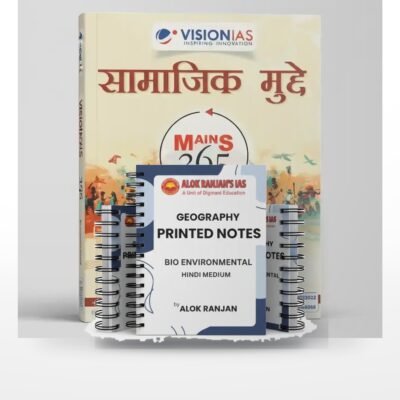
UPSC Geography Optional Mains Combo | Alok Ranjan Geography Notes + Vision IAS Mains 365 Set | Hindi Medium
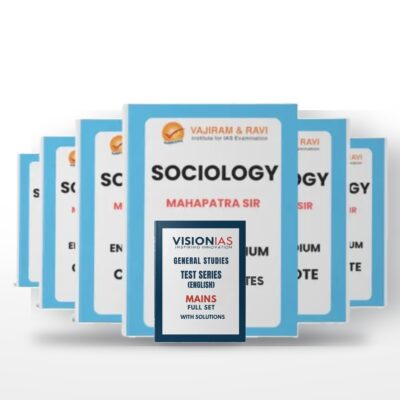
UPSC Sociology Optional + Mains Practice Combo | Mahapatra Sir Sociology Notes + Vision IAS Mains Test Series | English Medium
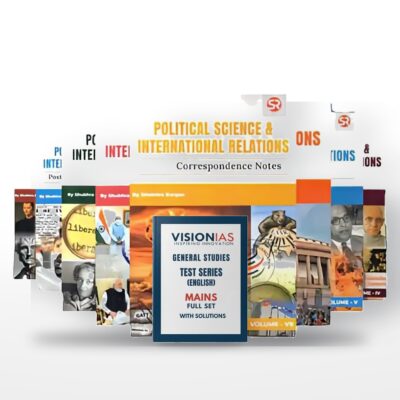
UPSC PSIR Optional + Mains Practice Combo | Shubhra Ranjan PSIR Notes + Vision IAS Mains Test Series | English Medium
What UPSC study material this page covers
The upsc study material on this page brings together everything a serious Civil Services aspirant needs for Prelims and Mains in one place, printed and delivered to your doorstep. It spans General Studies (GS) notes across Polity, History, Geography, Economy, Environment, Science & Technology and Ethics, optional subject material for popular optionals, monthly and consolidated current affairs, full-length and sectional test series, and Previous Year Questions (PYQ) with topic-wise segregation. Instead of hunting across scattered sources, you get a structured spine of content that maps to the UPSC syllabus so you can revise faster and track what you have actually completed.
Each category plays a specific role: GS notes build your conceptual base, current affairs keep you aligned with the year’s developments, PYQ shows you how the exam actually frames questions, and test series converts passive reading into exam-ready recall and answer-writing speed.
How to choose the right UPSC study material for your stage
Your choice should follow where you stand in the preparation cycle. A first-year aspirant benefits most from comprehensive GS notes and NCERT-aligned foundations, while a repeater usually needs sharp revision notes, current affairs compilations and heavy test-series practice. Match the material to three things: the number of attempts you have taken, whether Prelims or Mains is closer, and your chosen optional. Aspirants who already have static coverage should prioritise current affairs and PYQ-driven revision rather than buying more bulky notes.
Also weigh your self-study bandwidth. If you can self-correct, detailed notes plus PYQ may be enough; if you want external benchmarking, pair them with a graded test series so you know your real standing against a wider pool.
Comparing the main study-material types
The table below compares the core categories so you can decide what to add to your plan and in what order.
| Material type | Best for stage | Primary benefit | Revision frequency |
|---|---|---|---|
| GS notes | Foundation & Prelims | Builds static concept base across all GS papers | Multiple times before exam |
| Optional material | Mains-focused | Depth and answer content for your chosen optional | Two to three structured cycles |
| Current affairs | Prelims & Mains | Links static syllabus to recent developments | Monthly, then consolidated |
| Test series | All stages | Timed practice, accuracy and answer-writing speed | Weekly during peak prep |
| PYQ | All stages | Reveals exam pattern, weightage and depth expected | Before and after each topic |
Who should buy this material
This range suits several kinds of aspirants. Fresh graduates starting a two-year plan can anchor their base with GS notes and PYQ. Working professionals with limited hours gain the most from pre-structured notes and consolidated current affairs that cut down reading time. Repeaters and those in the Mains phase should lean on optional material and a rigorous test series to convert knowledge into marks. If you are preparing in a regional location without easy access to coaching, a complete printed set gives you a dependable, offline study backbone.
How to use it effectively
Start by reading GS notes alongside the relevant PYQ so you absorb each topic in the exact depth UPSC expects. Layer current affairs onto static topics weekly rather than treating news as a separate silo. Once a section is covered, attempt sectional tests, then move to full-length mocks closer to Prelims. For Mains, practise answer writing from your optional material and model answers daily. Keep a single revision register of weak areas flagged by your test performance, and return to it in short, repeated cycles. The goal is not to finish the material once, but to revise the same core three to four times with rising speed.
Buying and delivery
You can select the specific categories you need from the product cards above and add them to your cart. Orders are printed and dispatched to addresses across India, and you can combine GS notes, current affairs, PYQ and test series in a single order to save on shipping. If you are unsure about the right combination for your stage, begin with a GS foundation set and PYQ, then add current affairs and test series as your exam date approaches.
Frequently Asked Questions
Does this UPSC study material cover both Prelims and Mains?
Yes. The range includes GS notes, PYQ and current affairs useful for Prelims, along with optional material and test series that support Mains answer writing, so both stages are addressed.
I am a beginner. Which material should I start with?
Begin with comprehensive GS notes and topic-wise PYQ to build your base, then add monthly current affairs. You can introduce a test series once you have covered a few subjects.
Is current affairs material enough on its own?
No. Current affairs works best when linked to the static syllabus in your GS notes. Use it as a layer over your foundation rather than as a standalone resource.
How often should I attempt the test series?
During active preparation, weekly sectional or full-length tests are ideal. Review every test thoroughly, note weak areas, and revise them before moving to the next one.
Can I order only selected categories instead of the full set?
Yes. You can choose individual categories such as GS notes, PYQ, current affairs or test series from the cards above and order only what suits your current stage and budget.