Buy Vajiram and Ravi notes at Competer — printed and delivered with Cash on Delivery across India. Shop the full range below at the best price.
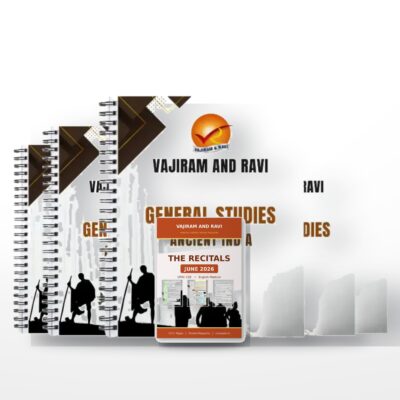
Vajiram and Ravi UPSC 2026 Combo | GS Notes 27 Booklets + The Recitals Jun-Aug 2026 | English Medium
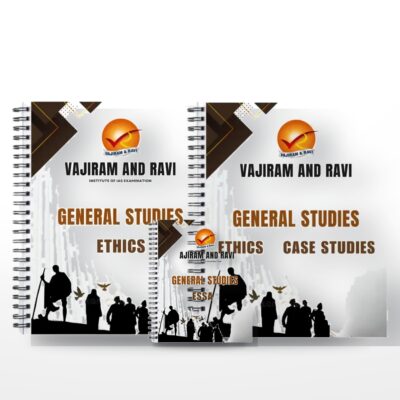
Vajiram and Ravi UPSC Mains GS Paper 4 Combo | Ethics, Essay | English Medium
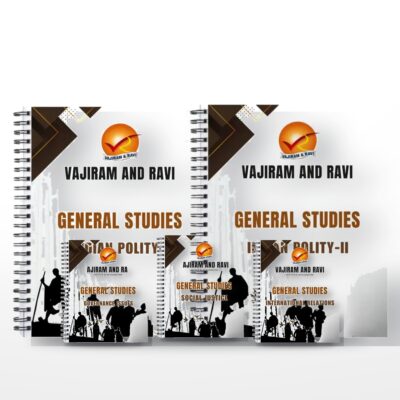
Vajiram and Ravi UPSC Mains GS Paper 2 Combo | Polity, Governance, Social Justice, International Relations | English Medium
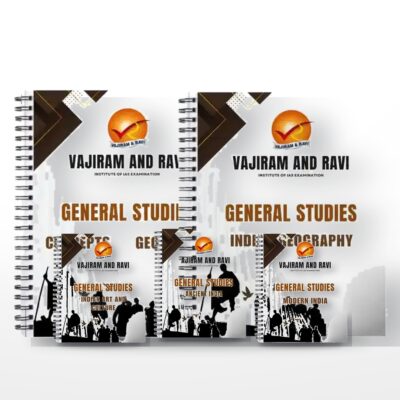
Vajiram and Ravi UPSC Mains GS Paper 1 Combo | Art & Culture, Ancient/Medieval, Modern History, World History and more | English Medium
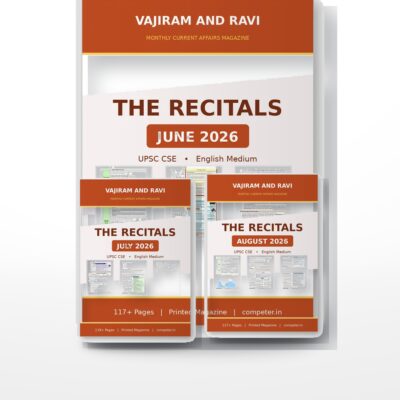
Vajiram and Ravi The Recitals Quarter Pack | June, July, August 2026 | English Medium
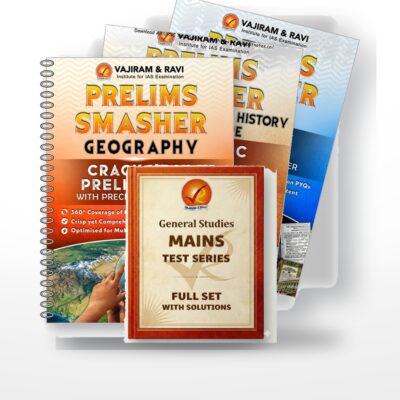
Vajiram and Ravi UPSC Mains Combo 2026 | Mains Smasher GS Notes + Mains Test Series | English Medium
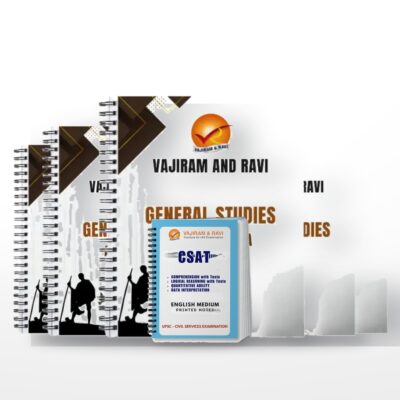
Vajiram and Ravi UPSC 2026 Combo | GS Notes + CSAT Complete Booklet Set | English Medium
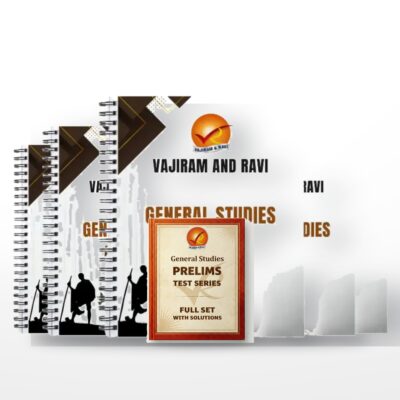
Vajiram and Ravi UPSC 2026 Combo | GS Notes 27 Booklets + Prelims Test Series | English Medium
Vajiram and Ravi The Recitals June 2026 Magazine English for UPSC CSE Current Affairs | Vajiram and Ravi The Recitals Current Affairs Magazine for UPSC Prelims and Mains June 2026 | Printed Notes in English Medium for Civil Services Exam | 1 Booklet Current Affairs Magazine June 2026
Vajiram and Ravi The Recitals July 2026 Magazine Current Affairs for UPSC CSE English Medium | The Recitals July 2026 Current Affairs Magazine for Civil Services Exam | Printed Monthly Magazine for UPSC IAS Preparation | 119 Pages Single Booklet
Vajiram and Ravi The Recitals August 2026 Magazine Current Affairs for UPSC CSE | English Medium Printed Monthly Current Affairs Magazine | UPSC Civil Services Exam 2026 Study Material | Comprehensive August 2026 Current Affairs Booklet

Vajiram and Ravi Mains Smasher 2026 General Studies Notes for UPSC Mains | Vajiram Smasher Printed Booklets Set of 5 English Medium | Geography, Polity, Ancient & Medieval History, Modern History, Environment | UPSC CSE Mains 2026 General Studies Complete Study Material
Vajiram and Ravi notes are among the most trusted printed study resources for UPSC Civil Services aspirants, bringing the depth of one of Delhi’s established coaching institutes to candidates preparing anywhere in India. This page offers Vajiram & Ravi General Studies notes along with optional printed supplements, so you can build a complete, exam-ready foundation for the Prelims and Mains without attending classroom sessions in person.
What Vajiram and Ravi notes cover
These notes are structured around the full UPSC General Studies syllabus, making them suitable for both first-time aspirants and those in their revision phase. The coverage spans the core pillars that the UPSC examination tests repeatedly.
- Indian Polity and Governance, including the Constitution and key amendments
- History — Ancient, Medieval, Modern and Art & Culture
- Geography of India and the world, with physical and economic dimensions
- Indian Economy and current economic developments
- Environment, Ecology and Biodiversity
- Science & Technology relevant to current affairs
- Ethics, Integrity and Aptitude (GS Paper IV) concepts and case-study approaches
The material is organised topic-wise so you can match each section to the UPSC syllabus and track your progress with clarity.
How to choose the right set of notes
Selecting the correct study material depends on your current stage of preparation. Beginners usually benefit from the complete GS set, which explains concepts from the ground up. Aspirants who have already covered standard textbooks often prefer concise, consolidated notes that speed up revision. Consider the following before you decide:
- Your preparation stage — foundation building versus final revision
- Subject strengths and gaps — whether you need full coverage or targeted subjects
- Study format — printed notes for distraction-free reading and easy annotation
- Time available — comprehensive notes for long runways, crisp notes closer to the exam
Comparison: full GS set versus optional printed notes
The table below helps you weigh the two broad options so you can align your purchase with your study plan.
| Aspect | Full GS Notes | Optional Printed Notes |
|---|---|---|
| Best for | Beginners and complete coverage | Targeted revision and specific subjects |
| Depth | Detailed, concept-first explanations | Concise, quick-reference style |
| Syllabus scope | Entire GS Prelims and Mains | Selected subjects or themes |
| Revision speed | Moderate | Fast |
| Ideal timing | Early to mid preparation | Final months before the exam |
Who should buy these notes
These notes suit a wide range of UPSC aspirants. Working professionals and students in smaller towns who cannot relocate for coaching gain access to structured material at home. Repeat aspirants looking to strengthen weak areas can use them to fill gaps efficiently. Candidates who prefer self-study over long lecture hours will find the written, topic-wise format easier to absorb and revise. If you want a dependable printed backbone for your GS preparation that you can read offline and annotate freely, this material is designed for you.
How to use Vajiram and Ravi notes effectively
Study material delivers results only when paired with a disciplined method. To get the most from these notes:
- Map each topic to the official UPSC syllabus before you begin reading.
- Do a first pass for understanding, then a second focused pass for retention.
- Make margin notes and underline keywords to speed up later revisions.
- Link static concepts with current affairs to answer dynamic questions.
- Test yourself with previous years’ questions after each subject.
- Revise repeatedly in the final weeks using your own annotations.
A steady cycle of reading, note-marking and self-testing turns passive reading into exam-ready recall.
Buying and delivery
Placing an order on Competer is simple. Add the notes you need to your cart, complete checkout and provide an accurate delivery address with a reachable phone number. The printed material is dispatched and shipped to your doorstep across India. You will receive confirmation once your order is processed, and delivery timelines depend on your location. For any clarification on availability or shipping, reach out through the support details provided at checkout before placing your order.
Frequently Asked Questions
Are Vajiram and Ravi notes useful for both Prelims and Mains?
Yes. The General Studies notes are built around the complete UPSC syllabus, which supports Prelims objective preparation as well as the descriptive demands of the Mains examination.
Do I need prior coaching to use these notes?
No. The notes are written to be self-explanatory, so self-study aspirants without any coaching background can follow the material and build a strong foundation on their own.
Should beginners buy the full GS set or only selected notes?
Beginners generally benefit from the full GS set for complete coverage, while aspirants in revision mode may prefer concise, subject-specific printed notes.
Are the notes delivered in printed form across India?
Yes. The material is printed and shipped to your address anywhere in India, so you can study offline without depending on digital screens.
How often should I revise using these notes?
Plan at least two to three full revisions, increasing frequency in the final months before the exam, and use your own annotations to make each revision faster.