Best Books for Banking Exams 2026: Subject-Wise Guide
Best books for banking exams 2026, subject-wise: top Quant, Reasoning, English & GA picks for IBPS PO, SBI PO, clerk & RBI Grade B — plus Hindi options & a minimum buy set.

The best books for banking exams in 2026 are R.S. Aggarwal’s Quantitative Aptitude and Arun Sharma for Quant, R.S. Aggarwal and M.K. Pandey (BSC Publishing) for Reasoning, Wren & Martin plus Norman Lewis for English, and Lucent’s General Knowledge with a monthly banking-awareness compilation for General Awareness. For a serious IBPS PO or SBI PO aspirant, one strong book per subject plus previous-year papers and a mock-test series is enough to clear both Prelims and Mains — you do not need a 20-book pile.
This guide gives you a subject-wise, exam-wise shortlist with author and publisher, tells you which single book is enough for Prelims versus which advanced title you need for Mains, adds a Hindi-medium list, and ends with a “minimum viable” book set so you spend money on the right titles.
Best Books for Banking Exams at a Glance (2026)
Short on time? These are the best books for banking exams by section — the exact set most selected candidates actually study from:
- Quantitative Aptitude: R.S. Aggarwal (foundation) + M. Tyra for speed + Arun Sharma for Mains DI.
- Reasoning Ability: R.S. Aggarwal or M.K. Pandey for concepts + a current Arihant/Kiran new-pattern puzzle book.
- English Language: Wren & Martin (grammar) + S.P. Bakshi (objective) + Norman Lewis for vocabulary.
- General & Banking Awareness: Lucent GK (static) + a banking-awareness compilation + a fresh current-affairs monthly.
- Computer Aptitude (Mains): one Arihant or Kiran computer-awareness book.
Everything below explains how these fit each exam, each stage, and each budget — so you buy less and score more.
Banking Exams Covered and Why Your Book List Changes
Before buying, know which exam you are targeting — because the depth of book you need shifts with the exam. A clerk aspirant does not need the same advanced Quant book as an RBI Grade B candidate. Here is the landscape of Indian banking recruitment in 2026:
| Exam | Conducting Body | Post Level | Book Depth Needed |
|---|---|---|---|
| IBPS PO / SBI PO | IBPS / SBI | Officer (Scale I) | Moderate–High; DI-heavy Quant, high-level puzzles |
| IBPS Clerk / SBI Clerk | IBPS / SBI | Clerical | Basic–Moderate; speed and accuracy focus |
| IBPS RRB (Office Asst & Scale I/II/III) | IBPS | Clerical & Officer | Moderate; strong on Reasoning & Quant |
| IBPS SO | IBPS | Specialist Officer | Moderate + professional knowledge paper |
| RBI Grade B | RBI | Officer | High; adds Economics, Finance & ESI |
| RBI Assistant | RBI | Clerical | Basic–Moderate |
| NABARD / SEBI / LIC AAO/ADO | NABARD / SEBI / LIC | Officer | Moderate–High; domain sections added |
The common thread is the four core sections — Quantitative Aptitude, Reasoning Ability, English Language and General/Banking Awareness — plus Computer Aptitude in Mains for most exams. Master books for these five and you cover 80% of every banking exam. The remaining exam-specific portions (Economics for RBI Grade B, professional knowledge for IBPS SO) sit on top.
The 5 Core Subjects and the Single Best Book for Each
If you remember nothing else, remember these five picks. Each is the most widely recommended, syllabus-complete title for its section.
| Section | Best Book | Author | Publisher | Best For |
|---|---|---|---|---|
| Quantitative Aptitude | Quantitative Aptitude for Competitive Exams | R.S. Aggarwal | S. Chand | Full coverage, concept + practice |
| Reasoning Ability | A Modern Approach to Verbal & Non-Verbal Reasoning | R.S. Aggarwal | S. Chand | Broadest reasoning base |
| English Language | High School English Grammar & Composition | Wren & Martin | S. Chand | Grammar foundation |
| General/Banking Awareness | General Knowledge + monthly banking compilation | Lucent | Lucent Publications | Static GK + current affairs |
| Computer Aptitude | Objective Computer Awareness | Arihant / Kiran | Arihant / Kiran | Mains computer section |
These five are your spine. Below, we go section by section with the advanced options you add when a single book is not enough.
Best Books for Quantitative Aptitude in Banking Exams
Quant decides most banking results because it is scoring but time-pressured. The debate every aspirant asks — R.S. Aggarwal or Arun Sharma? — has a clear answer: they serve different stages.
- R.S. Aggarwal (S. Chand) — build your foundation here. It covers every topic (number system, percentages, ratio, time-speed-distance, mensuration) with graded practice. Best single book for Prelims.
- Arun Sharma – Quantitative Aptitude (McGraw Hill) — originally for CAT, but its Data Interpretation and difficulty levels (LOD 1–3) are ideal for SBI PO and RBI Grade B Mains.
- M. Tyra – Magical Book on Quicker Maths (BSC Publishing) — the go-to for speed shortcuts and approximation, crucial when Prelims gives you roughly 45 seconds per question.
- Rajesh Verma – Fast Track Objective Arithmetic (Arihant) — a strong all-in-one alternative to R.S. Aggarwal with modern question patterns.
Are R.S. Aggarwal books enough? For Prelims-level Quant, yes. For Mains DI (caselets, data sufficiency, missing-DI), pair it with M. Tyra for speed or Arun Sharma for high-level DI. That two-book combination beats owning five overlapping Quant books.
Best Books for Reasoning Ability
Reasoning is where the 2026 pattern hits hardest — puzzles and seating arrangements now dominate, and a book from a decade ago under-prepares you. Choose editions that carry new-pattern puzzle sets.
| Book | Author | Publisher | Strength |
|---|---|---|---|
| A Modern Approach to Verbal & Non-Verbal Reasoning | R.S. Aggarwal | S. Chand | Complete topic coverage |
| Analytical Reasoning | M.K. Pandey | BSC Publishing | Best for logic & syllogism depth |
| A New Approach to Reasoning (Verbal & Non-Verbal) | B.S. Sijwali & Indu Sijwali | Arihant | Puzzle & arrangement practice |
| Reasoning Chapterwise Solved Papers | Kiran Editorial | Kiran | New-pattern & PYQ practice |
Strategy: use R.S. Aggarwal or M.K. Pandey to learn concepts, then grind high-level puzzles from a current Kiran or Arihant new-pattern book. Reasoning is a practice subject — the newest edition matters more here than in any other section.
Best Books for English Language and Descriptive Paper
English trips up more aspirants than Quant because the section moved from rules to comprehension — reading, cloze, para-jumbles and error-spotting in new formats.
- Wren & Martin – High School English Grammar & Composition (S. Chand) — the grammar bible; fix your fundamentals here.
- Norman Lewis – Word Power Made Easy — the single best vocabulary builder for banking English.
- S.P. Bakshi – Objective General English (Arihant) — best objective-format practice matched to bank exam question types.
- Disha / Kiran English Language chapterwise — for new-pattern RC and cloze sets aligned to 2026.
For Mains descriptive English (SBI PO and RBI Grade B have essay and letter/precis writing), add a dedicated descriptive-writing book from Arihant or Disha and practise one essay plus one letter weekly. Reading a newspaper editorial daily doubles as descriptive practice and current-affairs input.
Best Books for Banking Awareness and General Awareness
General and Banking Awareness is the highest return-on-time section — no calculation, pure recall — and often the difference in Mains. It splits into static GK, banking/financial awareness, and current affairs.
| Component | Best Resource | Publisher/Author |
|---|---|---|
| Static General Knowledge | General Knowledge / Samanya Gyan | Lucent |
| Banking & Financial Awareness | Banking Awareness | Arihant / Javed Siddiqui |
| Current Affairs (6 months) | Monthly compilation / yearbook | Arihant / Kiran / online |
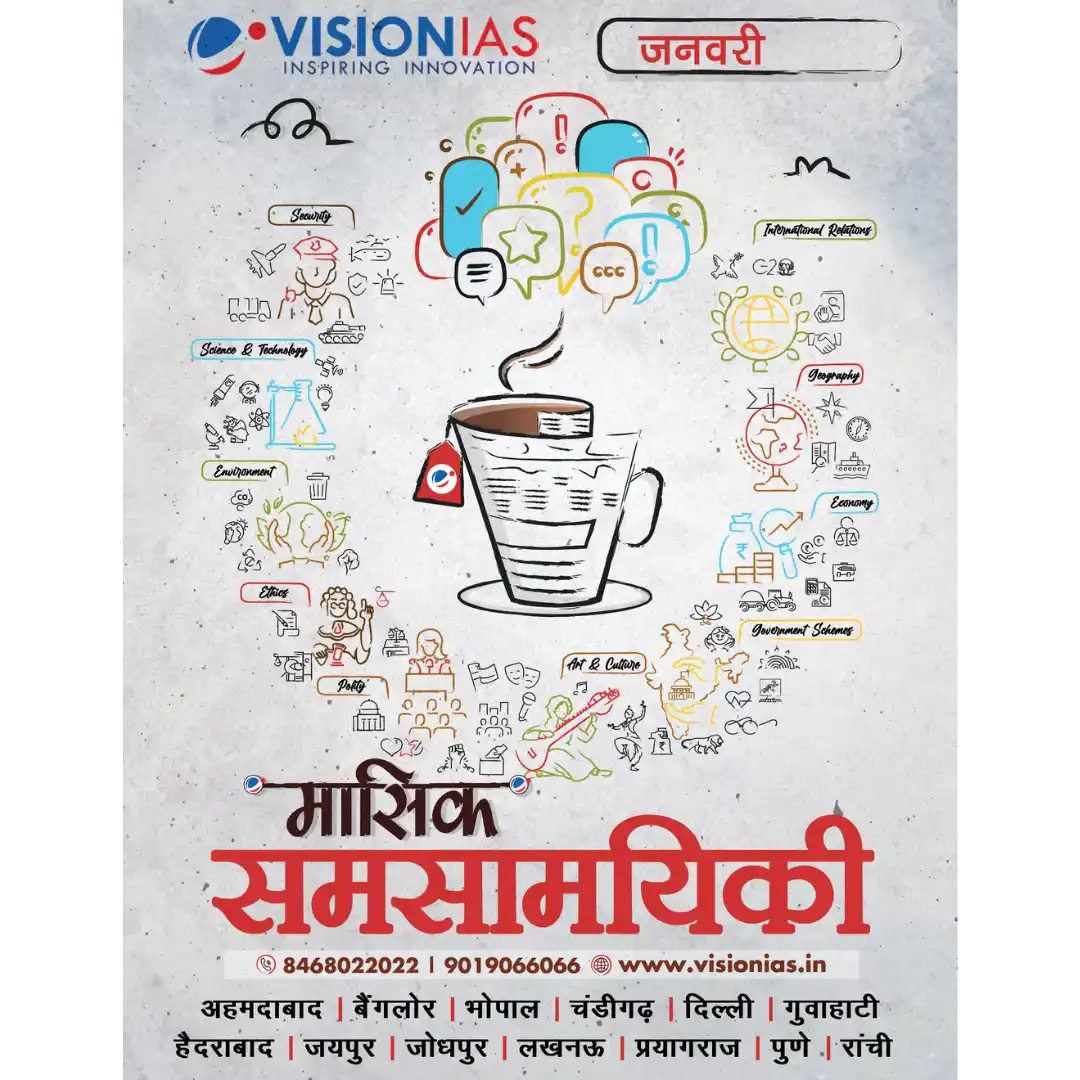
For current affairs, a well-edited monthly magazine is worth more than a fat static book — banking GA is 60–70% last-six-months news (RBI policy, appointments, schemes, financial terms). Aspirants who also attempt state PCS or UPSC alongside banking can build the habit with a monthly like the Vision IAS Current Affairs Magazine (January 2026), then supplement with a banking-specific compilation for financial news. What are the best books for banking/general awareness? Lucent for static, Arihant/Javed Siddiqui for banking terms, and a fresh monthly for current affairs — that trio covers the whole section.
Best Books for Computer Aptitude (Mains)
Computer Aptitude appears in Mains for IBPS/SBI PO and Clerk and is a scoring, static section — basics of hardware, software, MS Office, networking, internet and abbreviations. One book is genuinely enough:
- Objective Computer Awareness – Arihant or Kiran Computer Knowledge chapterwise. Read once, revise twice, done.
Prelims vs Mains: Which Book Is Enough for Each Stage
The biggest money-waster is buying advanced books for a Prelims-only need, or thinking a basic book will carry you through Mains. Here is the clean split:
| Section | Prelims — One Book Is Enough | Mains — Add This |
|---|---|---|
| Quant | R.S. Aggarwal / M. Tyra (speed) | Arun Sharma DI + Data Analysis & Interpretation practice |
| Reasoning | R.S. Aggarwal / Sijwali | High-level puzzle & critical reasoning book |
| English | Wren & Martin + S.P. Bakshi | Descriptive writing book (essay/letter/precis) |
| GA | Lucent + 3–4 months current affairs | 6 months current affairs + banking awareness depth |
| Computer | — (not in Prelims) | Arihant/Kiran Computer Awareness |
Prelims is about speed and accuracy under sectional timing; Mains rewards depth, Data Interpretation, and descriptive skill. Buy your Prelims books first, clear the cut-off, then invest in Mains-specific titles — there is a gap of a few weeks between stages to do exactly this.
Exam-Wise Best Book Map: IBPS vs SBI vs RBI
Top-ranking pages rarely tell you the exact best book per subject per exam. This table does:
| Subject | IBPS PO / SBI PO | IBPS Clerk / SBI Clerk | RBI Grade B |
|---|---|---|---|
| Quant | R.S. Aggarwal + Arun Sharma (DI) | R.S. Aggarwal + M. Tyra | Arun Sharma + advanced DI |
| Reasoning | R.S. Aggarwal + high-level puzzles | R.S. Aggarwal / Sijwali | M.K. Pandey + critical reasoning |
| English | Wren & Martin + Bakshi + descriptive | Wren & Martin + Bakshi | Bakshi + strong descriptive/essay |
| GA | Lucent + banking awareness + CA | Lucent + current affairs | Economic & Social Issues + Finance & Management books |
| Extra | Computer Awareness (Mains) | Computer Awareness (Mains) | ESI + F&M (Phase II specific) |
Which books are best for SBI Clerk and IBPS Clerk prelims? Keep it lean: R.S. Aggarwal for Quant, R.S. Aggarwal reasoning, Wren & Martin plus S.P. Bakshi for English. Clerk Prelims is speed-driven, so pair these with M. Tyra for shortcuts and thousands of timed practice questions rather than more theory.
RBI Grade B and RRB note: RBI Grade B Phase II adds Economic & Social Issues and Finance & Management — use dedicated RBI Grade B ESI/F&M books plus NCERT Economics and daily business-newspaper reading. IBPS RRB leans heavily on Reasoning and Quant, so the core five books above serve it fully, with extra rural-banking and agriculture awareness for Scale-officer roles.
Major Publishers Overview: Which to Trust
Knowing the publisher’s strength helps you pick editions that match the 2026 pattern.
| Publisher | Strongest For | Notes |
|---|---|---|
| Arihant | Objective English, Computer, chapterwise practice | Frequent new-pattern editions |
| Kiran | Chapterwise solved papers, PYQ | Best for previous-year practice |
| Lucent | Static GK / General Knowledge | Compact, revision-friendly |
| Disha | New-pattern sectional & mock books | Good updated question sets |
| S. Chand | R.S. Aggarwal, Wren & Martin | Evergreen foundation titles |
| PW / Testbook | Modern pattern books & online tests | Strong digital + current-pattern focus |
Edition tip for 2026: Always buy the latest edition of practice-heavy books (Reasoning puzzles, DI, English RC) because the IBPS/SBI pattern now features sectional timing, negative marking of 0.25, and puzzle/DI-heavy sets. Foundation grammar and static-concept books (Wren & Martin, Lucent) change little year to year, so an older copy is fine there.
Best Books for Banking Exams in Hindi
Hindi-medium aspirants are a huge, underserved segment — and most English guides ignore them. The good news: nearly every top publisher prints Hindi editions.
| Section | Hindi-Medium Book | Publisher |
|---|---|---|
| Quant | Quantitative Aptitude (Hindi) | R.S. Aggarwal / Kiran |
| Reasoning | Tarkshakti Parikshan / Reasoning | R.S. Aggarwal / Kiran |
| English | Objective General English (bilingual) | Arihant / S.P. Bakshi |
| GA | Samanya Gyan / Banking Awareness (Hindi) | Lucent / Arihant |
What is the best book for banking exam preparation in Hindi? Start with Lucent Samanya Gyan (Hindi) for GA and R.S. Aggarwal’s Hindi Quant and Reasoning editions — they are the most complete and widely used. Kiran also prints Hindi chapterwise PYQ books, ideal for practice. For Hindi current affairs, a Hindi-medium monthly such as the Vision IAS Current Affairs Magazine (Hindi, January 2026) keeps your awareness section fresh in your medium.
The Minimum Viable Book Set (and What It Costs)
You do not need twenty books. Here is the smallest set that genuinely covers IBPS PO / SBI PO Prelims + Mains, with indicative prices:
| Book | Covers | Indicative Price |
|---|---|---|
| R.S. Aggarwal – Quantitative Aptitude | Quant (Prelims + base) | ₹350–450 |
| M. Tyra – Quicker Maths (or Arun Sharma for Mains DI) | Quant speed / DI | ₹300–600 |
| R.S. Aggarwal – Reasoning | Reasoning | ₹350–450 |
| Wren & Martin + S.P. Bakshi | English + descriptive base | ₹500–700 |
| Lucent GK + banking-awareness compilation | GA / banking | ₹250–400 |
| Current affairs (6 months, magazine/PDF) | Current affairs | ₹200–900 |
Total: roughly ₹1,900–₹3,500 for a complete, non-overlapping set — far less than most coaching packages, and enough to clear the exam if paired with disciplined mock testing. Add a computer-awareness book (₹150–250) before Mains.
Books Alone vs Mock Tests vs Online Coaching
Books teach concepts; they cannot simulate the exam. The winning formula in 2026 is books for concepts + previous-year papers for pattern + mock tests for exam temperament.
- Previous-year papers reveal the exact question style and difficulty. Practising topic-wise PYQs is non-negotiable — the discipline of working through a structured PYQ pack, like the Forum IAS Prelims PYQ Toolkit, is the same habit that wins banking exams: solve papers, analyse errors, repeat.
- Mock tests build sectional-timing stamina and accuracy under negative marking. Aim for 2–3 full mocks a week in the final two months. The value of a structured test series — as with a prelims test series — is the analytics: knowing which section bleeds your time.
- Online coaching is optional. Can you clear bank exams with books alone? Yes — many toppers self-study — but only if you replace coaching’s structure with your own routine and mock discipline. Coaching mainly buys doubt-solving and pacing, not secret content.
How to Choose the Right Book: A Simple Checklist
- Full syllabus coverage — it should map to every Prelims and Mains topic, not just favourites.
- Practice question volume — banking is a practice game; prefer books with thousands of graded questions and solutions.
- New-pattern & current edition — for Reasoning, DI and English, buy the latest edition with 2024–26 pattern sets.
- Readable and finish-able — a 600-page book you finish beats a 1,200-page one you abandon. Length is not depth.
- Explanations, not just answers — solved shortcuts teach you method for speed.
Is one book per subject enough to crack IBPS PO or SBI PO? For Prelims, yes — one strong book per section plus mocks. For Mains, add one advanced/DI or descriptive title per weak section. Quality and repetition beat quantity: revising one book five times outperforms skimming five books once.
A Realistic 4–6 Month Study Timeline
| Phase | Duration | Focus & Books |
|---|---|---|
| Foundation | Month 1–2 | Concepts from R.S. Aggarwal (Quant & Reasoning), Wren & Martin, Lucent |
| Practice | Month 3–4 | Topic-wise PYQ, M. Tyra speed, S.P. Bakshi English, daily current affairs |
| Mains + Mocks | Month 5 | Arun Sharma DI, descriptive writing, computer awareness, 3 mocks/week |
| Revision | Month 6 | Full-length mocks, error analysis, GA/current-affairs revision |
Read a newspaper’s business/editorial page daily throughout — it feeds English, current affairs and banking awareness at once. This one habit compounds across three sections.
Common Mistakes That Waste Money and Marks
- Buying 4–5 books per subject and finishing none.
- Using outdated editions for practice-heavy Reasoning and DI.
- Ignoring previous-year papers until the last month.
- Treating GA as an afterthought — it is the fastest-scoring section.
- Skipping timed mock tests, then freezing under sectional timing on exam day.
Frequently Asked Questions
Which is the best book for bank exams preparation?
There is no single book — the best set is R.S. Aggarwal for Quant and Reasoning, Wren & Martin plus S.P. Bakshi for English, and Lucent General Knowledge with a current-affairs monthly for General and Banking Awareness. Add M. Tyra for speed and Arun Sharma for Mains Data Interpretation.
Is one book per subject enough to crack IBPS PO or SBI PO?
For Prelims, yes — one strong, syllabus-complete book per section plus previous-year papers and regular mocks will get you through the cut-off. For Mains, add one advanced title only where you are weak: Arun Sharma for high-level DI, a new-pattern puzzle book for Reasoning, and a descriptive-writing book for the essay/letter paper. Revising one book repeatedly beats owning five.
Which book is best for quantitative aptitude — R.S. Aggarwal or Arun Sharma?
Both, for different stages. R.S. Aggarwal builds your foundation and is enough for Prelims Quant. Arun Sharma’s higher-difficulty Data Interpretation is better for SBI PO and RBI Grade B Mains. For speed, add M. Tyra’s Quicker Maths.
What are the best books for banking and general awareness for bank exams?
Use three resources together: Lucent General Knowledge for static GK, an Arihant or Javed Siddiqui Banking Awareness book for banking and financial terms, and a fresh current-affairs monthly for the last six months of news (RBI policy, appointments, schemes). Banking GA is 60–70% recent current affairs, so the monthly matters as much as the static book.
Are R.S. Aggarwal books enough for bank exams?
For Prelims-level Quant and Reasoning, yes. For Mains DI, high-level puzzles and descriptive English, you should add one advanced title per section — Arun Sharma for DI and a new-pattern puzzle book for Reasoning — rather than relying on R.S. Aggarwal alone.
Can I clear bank exams with books alone or do I need mock tests?
You can self-study with books, but you also need previous-year papers and regular mock tests. Books teach concepts; mocks build speed, accuracy and sectional-timing stamina under negative marking. Online coaching is optional if you maintain your own routine and mock discipline.
What is the best book for banking exam preparation in Hindi?
Lucent Samanya Gyan (Hindi) for General Awareness, plus R.S. Aggarwal’s Hindi editions for Quant and Reasoning. Kiran also prints Hindi chapterwise previous-year books for practice, and a Hindi-medium current-affairs monthly keeps your awareness section updated.
Which books are best for SBI Clerk and IBPS Clerk prelims?
Keep it lean and speed-focused: R.S. Aggarwal for Quant, R.S. Aggarwal for Reasoning, and Wren & Martin plus S.P. Bakshi for English. Add M. Tyra for shortcuts and thousands of timed practice questions, since clerk Prelims rewards speed and accuracy over depth.
Recommended Study Material


Continue Reading
NEET 2026 Preparation: Study Plan, Timeline & Best Books
NEET 2026 preparation works best when you follow one proven sequence: finish the NCERT-based syllabus by December 2025,…
KVS Syllabus 2025-26: PRT, TGT, PGT Pattern + PDF
The kvs syllabus for the 2025-26 recruitment cycle follows a two-tier structure: a Tier-1 screening test of 100…
MPSC Syllabus 2026: Prelims, Mains, Pattern + PDF (Marathi)
The MPSC syllabus for the Maharashtra State Services (Rajyaseva) exam is divided across three stages — Prelims (2…