JPSC Syllabus 2026: Prelims, Mains Pattern + PDF
JPSC syllabus 2026 explained: Prelims Paper I & II, all 6 Mains papers, exam pattern, marks, negative marking, eligibility and free PDF download.

The JPSC syllabus for the Combined Civil Services Examination is prescribed by the Jharkhand Public Service Commission (JPSC, jpsc.gov.in) and runs across three stages: a 400-mark Preliminary examination, a 950-mark merit-counted Mains examination and a 100-mark Personality Test/Interview. In short — Prelims has two objective papers (General Studies Paper I and a fully Jharkhand-based General Studies Paper II); Mains has six descriptive papers, of which only General Hindi & English is qualifying. This guide gives you the complete topic-wise JPSC syllabus 2026, the exam pattern, marking scheme, eligibility, cutoff trends, a subject-wise strategy, best books and the official syllabus PDF download route.
JPSC syllabus 2026 at a glance:
- Stages: Prelims (screening) → Mains (merit) → Interview (final rank).
- Prelims: 2 objective papers, 200 marks each, no negative marking, qualifying only.
- Mains: 6 descriptive papers; Paper I qualifying, Papers II–VI count for merit (950 marks).
- Interview: 100 marks, added to Mains for the final 1050-mark merit list.
- PDF: download the authoritative syllabus from the official notification on jpsc.gov.in.
Note: The topics below are compiled from the latest JPSC Combined Civil Services notification and standard commission practice. Always cross-verify against the official notification PDF on jpsc.gov.in before finalising your preparation plan.
JPSC Exam Overview and Selection Process
The JPSC Combined Civil Services Examination (often called Jharkhand Civil Services) recruits officers for posts such as Deputy Collector, Deputy Superintendent of Police (DSP), Jharkhand Education Service, District Commandant, Block Development Officer and other Group A and Group B state services. Selection is a three-stage funnel: Prelims screens candidates, Mains determines the merit list, and the Interview finalises ranks. Only Mains and Interview marks count towards the final merit — Prelims is purely qualifying.
| Stage | Type | Total Marks | Counts for Merit? |
|---|---|---|---|
| Preliminary Examination | Objective (MCQ) | 400 | No (qualifying only) |
| Main Examination | Descriptive (written) | 950 (merit) + 100 qualifying | Yes (950 marks) |
| Personality Test / Interview | Viva-voce | 100 | Yes |
| Final Merit | Mains + Interview | 1050 | — |
JPSC Exam Pattern 2026
Understanding the JPSC exam pattern 2026 is the first step to reading the syllabus correctly. Prelims is entirely objective and acts as a screening test; Mains is entirely descriptive and decides your rank. The table below summarises the full JPSC exam pattern 2026 across both stages.
| Exam | Paper | Marks | Duration | Nature |
|---|---|---|---|---|
| Prelims | General Studies Paper I | 200 | 2 hours | Objective |
| Prelims | General Studies Paper II (Jharkhand) | 200 | 2 hours | Objective |
| Mains | Paper I: General Hindi & English | 100 (qualifying) | 3 hours | Descriptive |
| Mains | Paper II: Language & Literature | 150 | 3 hours | Descriptive |
| Mains | Paper III: Social Science, History & Geography | 200 | 3 hours | Descriptive |
| Mains | Paper IV: Constitution, Polity & Governance | 200 | 3 hours | Descriptive |
| Mains | Paper V: Indian Economy & Sustainable Development | 200 | 3 hours | Descriptive |
| Mains | Paper VI: General Science, Environment & Technology | 200 | 3 hours | Descriptive |
Is there negative marking in the JPSC Prelims exam?
No. As per JPSC’s standard practice for the Combined Civil Services Preliminary examination, there is no negative marking for wrong answers in either GS Paper I or GS Paper II. This means you should attempt every question — even intelligent guesses carry zero risk. (Several competitor pages either skip this point or contradict it; the confirmed position is no deduction in Prelims. Marking rules in the notification always override any third-party source, so re-check the official PDF for your specific cycle.)
JPSC Prelims Syllabus 2026 — Paper I (General Studies)
The JPSC prelims syllabus for Paper I is broadly UPSC-style General Studies — a mix of national and international awareness with a Jharkhand flavour. It carries 200 marks (100 questions) and tests your conceptual breadth across history, polity, geography, economy, science and current affairs. Here is the topic-wise breakdown with an indicative question distribution based on past trends.
| Subject Area | Key Topics | Approx. Weightage |
|---|---|---|
| History of India | Ancient, Medieval & Modern India, Indian National Movement, socio-religious reforms | 12-15% |
| Geography | India & World physical, social & economic geography; Jharkhand geography | 10-13% |
| Indian Polity & Governance | Constitution, political system, Panchayati Raj, public policy, rights | 12-15% |
| Economic & Social Development | Sustainable development, poverty, inclusion, demographics, social sector schemes | 10-12% |
| General Science & Technology | Everyday science, biology, physics, chemistry basics, IT, space, defence | 10-12% |
| Jharkhand Awareness | Jharkhand-specific general awareness, state schemes, identity | 8-10% |
| Current Events | National & international current affairs of importance | 15-18% |
| Miscellaneous / General Knowledge | Sports, awards, books, institutions, mental ability | 8-10% |
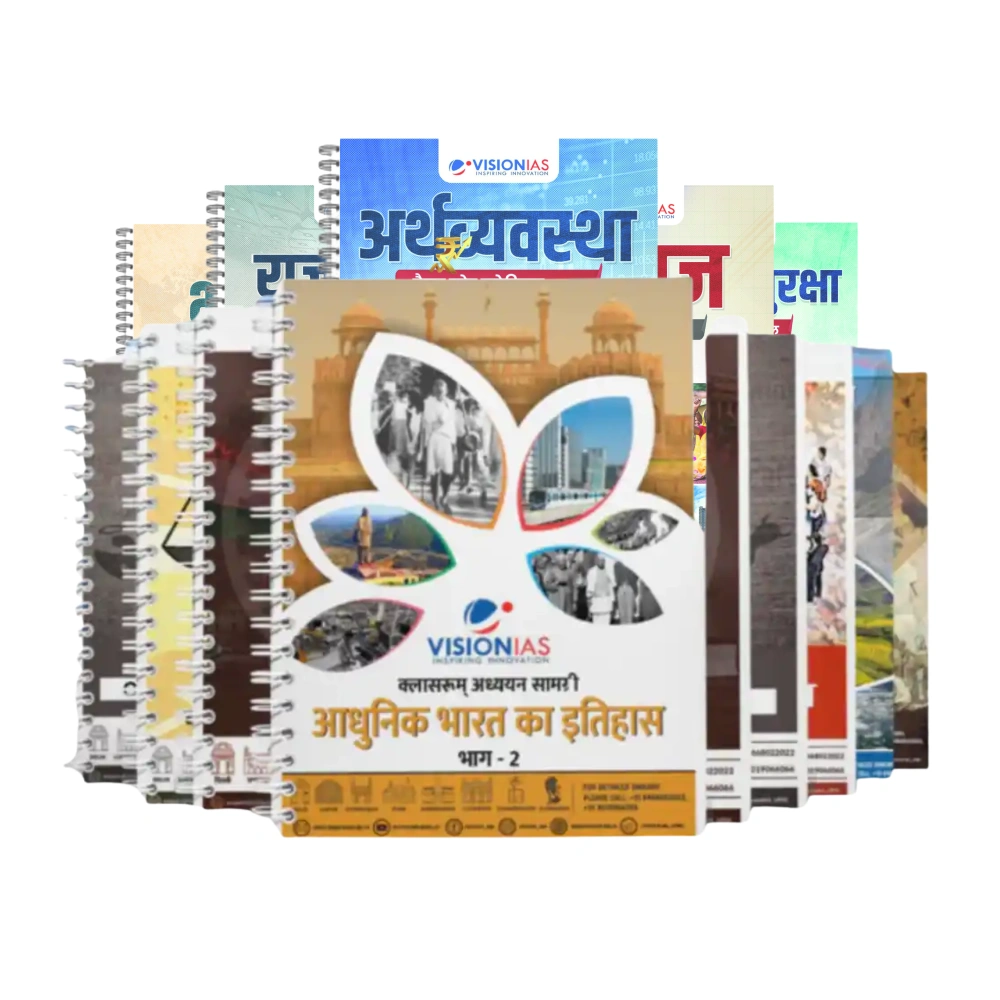
Because current events carry the highest single share, a disciplined current-affairs habit is non-negotiable. Aspirants routinely pair a standard GS base with a monthly magazine — a resource like the Vision IAS Current Affairs Magazine keeps national and international events organised month by month, which directly feeds both Prelims Paper I and Mains answers.
JPSC Prelims Syllabus — Paper II (Jharkhand-Specific)
Paper II is what makes the JPSC prelims syllabus unique. Unlike Paper I, this 200-mark paper is entirely devoted to Jharkhand — its history, tribal movements, culture, geography, economy, land laws and administration. This is where dedicated state aspirants beat all-India generalists, and where the deepest scoring gains lie. The detailed topic list is below.
| Section | Detailed Topics |
|---|---|
| Jharkhand History | Ancient to modern Jharkhand, tribal history, princely states, formation of Jharkhand state (2000) |
| Tribal & Peasant Movements | Santhal Hul, Birsa Munda & Ulgulan, Kol revolt, Tana Bhagat, Kherwar movement, Jharkhand statehood movement |
| Folk Culture & Tradition | Tribal festivals (Sarhul, Karma, Sohrai), dances, music, folk art, traditional institutions (Manki-Munda, Parha) |
| Language & Literature | Jharkhandi languages — Santhali, Ho, Mundari, Kurukh, Khortha, Nagpuri, Kurmali and their literature |
| Land Laws & Tenancy | Chotanagpur Tenancy Act (CNT), Santhal Pargana Tenancy Act (SPT), land reforms, tribal land rights |
| Industrial & Mineral Policy | Mineral resources, mining, major industries (steel, coal, power), state industrial policy |
| Environment & Forests | Forest resources, wildlife, national parks, biodiversity, forest rights |
| Disaster Management | Drought, flood, mining hazards, disaster preparedness in Jharkhand context |
| State Economy & Governance | Agriculture, irrigation, welfare schemes, panchayats, state institutions and administration |
JPSC Mains Syllabus 2026 — All 6 Papers
The JPSC mains syllabus consists of six descriptive papers totalling 1050 marks, of which 950 marks are counted for the merit list. Paper I (General Hindi & English) is only qualifying — you must score the minimum but the marks are not added to your total. Below is a paper-by-paper breakdown.
Paper I: General Hindi and General English (Qualifying)
This 100-mark paper tests basic language competence — comprehension, précis writing, grammar, usage, letter/essay writing in both Hindi and English. Candidates must secure a minimum of 30 marks (30%) to qualify; marks are not counted for merit but failing to qualify means the other papers are not evaluated.
Paper II: Language and Literature (150 marks)
Here you choose one language from a prescribed list of 15 options and study its prescribed literature, grammar, history of the language and composition. This is a merit-counted paper, so the choice matters strategically. The available language options are listed below.
| # | Language Options (Choose One) |
|---|---|
| 1-5 | Hindi, English, Urdu, Sanskrit, Bengali |
| 6-10 | Odia, Santhali, Ho, Mundari, Kharia |
| 11-15 | Kurukh (Oraon), Khortha, Nagpuri (Sadri), Panch Pargania, Kurmali |
Papers III to VI (200 marks each, merit-counted)
The four core General Studies papers carry the bulk of the merit weightage — 800 of the 950 counted marks. Each blends national concepts with Jharkhand-specific application.
| Paper | Title | Core Coverage |
|---|---|---|
| Paper III | Social Science, History & Geography | Indian & Jharkhand history, Indian & world geography, sociology, contribution of Jharkhand personalities |
| Paper IV | Indian Constitution, Polity, Public Administration & Good Governance | Constitution, governance, accountability, e-governance, panchayati raj, Jharkhand administration |
| Paper V | Indian Economy, Globalization & Sustainable Development | Economic development, planning, agriculture, industry, globalization, Jharkhand economy & resources |
| Paper VI | General Science, Environment & Technology Development | Science & tech, ICT, environment, ecology, biodiversity, health, Jharkhand environmental issues |
Qualifying vs Merit-Counted Papers
To plan your effort efficiently, keep this distinction clear: only one paper is purely qualifying, while five contribute to your rank.
| Paper | Marks | Merit Status |
|---|---|---|
| Paper I — Hindi & English | 100 | Qualifying (min 30) |
| Paper II — Language & Literature | 150 | Merit-counted |
| Paper III — Social Science | 200 | Merit-counted |
| Paper IV — Polity & Governance | 200 | Merit-counted |
| Paper V — Economy | 200 | Merit-counted |
| Paper VI — Science & Environment | 200 | Merit-counted |
| Total merit | 950 | + 100 Interview = 1050 |
JPSC Eligibility Criteria 2026
Before you build a study plan around the JPSC syllabus, confirm you meet the eligibility norms. The core requirements are a bachelor’s degree and an age within the prescribed band on the cut-off date announced in the notification.
| Criterion | Requirement |
|---|---|
| Nationality | Indian citizen |
| Educational Qualification | Bachelor’s degree in any discipline from a recognised university |
| Minimum Age | 21 years (22 for some services such as DSP) |
| Maximum Age (General) | 35 years (as on cut-off date) |
| Age Relaxation — BC-I / BC-II | Up to 2-3 years |
| Age Relaxation — SC / ST | Up to 6 years |
| Age Relaxation — Women (General/BC) | Up to 3 years |
| Number of Attempts | No fixed attempt limit — governed by upper age limit |
Age limits and relaxations are revised by JPSC from time to time; treat the above as indicative and verify the exact cut-off date and relaxation table in the current notification.
JPSC Cutoff Trends and Expected Marks
Most competitor pages skip cutoff data entirely. Here is an indicative picture based on previous JPSC Combined Civil Services cycles to help you set realistic targets. Prelims cutoffs are out of 400; actual figures vary with paper difficulty, vacancies and number of applicants.
| Category | Indicative Prelims Cutoff (out of 400) |
|---|---|
| General / UR | ~245-265 |
| BC-I / BC-II | ~225-250 |
| SC | ~200-225 |
| ST | ~205-230 |
| EWS | ~230-250 |
These are approximate ranges drawn from past trends, not official guarantees. Use them only to gauge how much of a buffer above the qualifying line you should aim for.
Subject-Wise Preparation Strategy for the JPSC Syllabus
A syllabus is only useful when translated into a plan. Because Jharkhand-specific content appears in Prelims Paper II and threads through every Mains paper, static Jharkhand GK is your highest-leverage investment. Here is a weightage-driven strategy.
| Focus Area | Why It Matters | Suggested Effort |
|---|---|---|
| Jharkhand static GK | Entire Prelims Paper II + recurring in Mains III-VI | High — build a dedicated notebook |
| Current Affairs | Largest share of Prelims Paper I; enriches Mains answers | Daily + monthly revision |
| Polity & Economy | Two full 200-mark Mains papers | High — concept + Jharkhand application |
| History & Geography | Paper III + Prelims spread | Medium-high |
| Science, Environment, Tech | Full Paper VI + Prelims share | Medium — focus on application |
| Language & Literature (Paper II) | 150 merit marks — often under-prepared | Medium — pick early, practise writing |
A Realistic 6-Month Timeline
Months 1-2: finish NCERT-level foundations and the Jharkhand static base. Months 3-4: complete core GS subjects (Polity, Economy, History, Geography, Science) and start answer writing. Month 5: intensive current affairs consolidation plus Prelims Paper II revision. Month 6: full-length mock tests, previous-year questions and Mains answer-writing practice. Adjust the ratio towards Jharkhand-specific study as your exam nears, since that content is both high-yield and less contested.
Best Books and Study Material for the JPSC Syllabus
A large portion of the JPSC GS syllabus (Papers III-VI and Prelims Paper I) overlaps with the UPSC/state-PCS General Studies base, so structured GS notes cover most of it — you then layer Jharkhand-specific sources on top. Since a very large share of JPSC aspirants prepare in Hindi medium, Hindi-medium GS material is especially useful. The table below maps resources to syllabus sections.
| Syllabus Section | Recommended Resource Type |
|---|---|
| Core GS (History, Polity, Geo, Economy, Science) | Comprehensive GS booklet set (Hindi/English) |
| Current Affairs (Prelims + Mains) | Monthly current-affairs magazine |
| Jharkhand static GK & Paper II | State-focused GK book + JPSC-specific notes |
| State-PCS descriptive answer practice | State civil-services book set / PYQ |
| Latest official syllabus reference | Printed syllabus booklet |
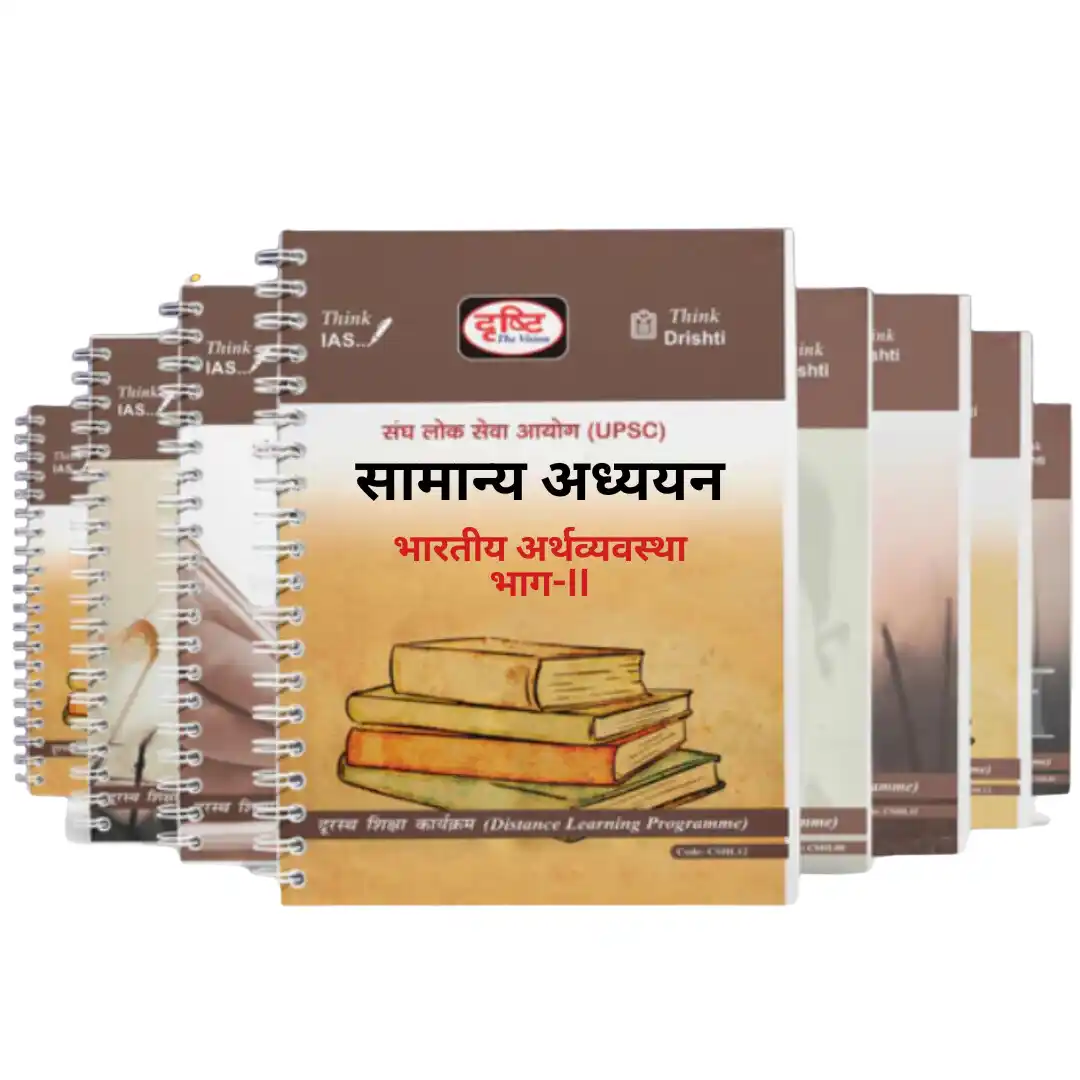
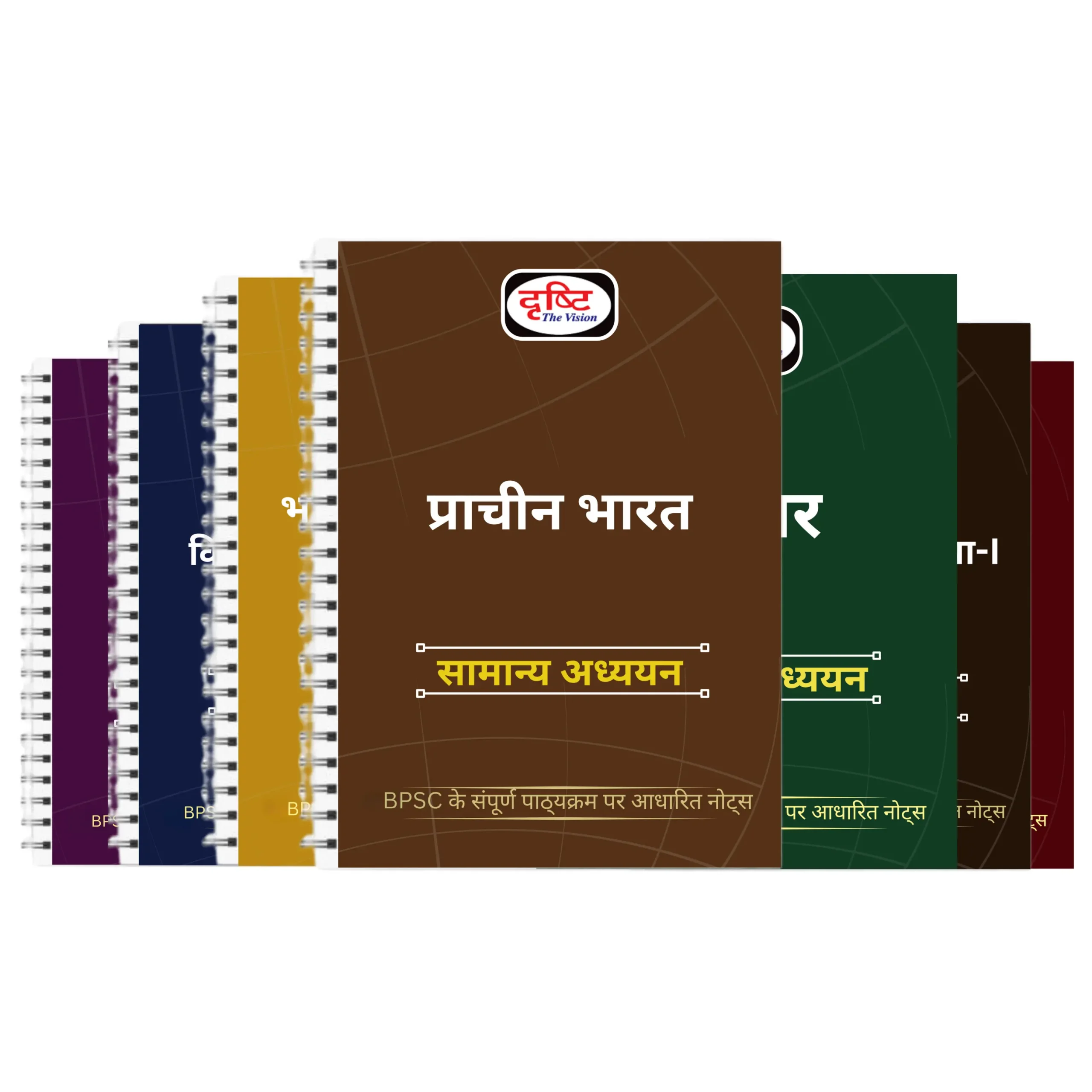
For the General Studies core in Hindi, the Drishti IAS Hindi Study Material and the Vision IAS GS Notes in Hindi cover history, polity, geography, economy, science and environment in the exact conceptual depth JPSC Mains demands. State-PCS aspirants also find the Drishti BPSC Books (Hindi Medium) useful as a model for state-focused, descriptive-oriented preparation because the exam structure and answer style are closely comparable. To lock the exact topic list, a printed reference like the GS Score Latest Syllabus Booklet is handy for GS mapping. Pair these with a dedicated Jharkhand static-GK source for full coverage.
UPSC vs JPSC Syllabus: Key Differences
A common query is how the JPSC syllabus differs from UPSC. The GS foundation is similar, but three differences stand out: JPSC has a dedicated Jharkhand-only Prelims paper, JPSC Mains has no separate optional subject (instead a fixed set of GS papers plus a Language & Literature paper), and JPSC content is heavily state-anchored.
| Aspect | UPSC CSE | JPSC CSE |
|---|---|---|
| Prelims papers | GS + CSAT (CSAT qualifying) | GS Paper I + GS Paper II (Jharkhand) |
| State-specific paper | No | Yes — full Prelims Paper II |
| Optional subject in Mains | Yes (one optional, 2 papers) | No separate optional; fixed GS papers |
| Language paper | Qualifying only | Paper II Language & Literature is merit-counted |
| Negative marking (Prelims) | Yes (1/3) | No |
JPSC Syllabus PDF Download
For the authoritative, unabridged JPSC syllabus PDF download, always start with the official source. Visit jpsc.gov.in, open the latest Combined Civil Services Examination notification, and download the attached syllabus and exam-pattern annexure — that PDF is the final word on topics, marks and marking scheme. Keep a printed copy beside your study desk and tick off topics as you complete them. You can also maintain a simple printable checklist: list Prelims Paper I subjects, Prelims Paper II Jharkhand sections, and Mains Papers I-VI, then mark each as “not started / revising / done” for a live progress tracker.
JPSC Syllabus in Hindi (हिंदी में)
Since a large share of JPSC aspirants prepare in Hindi medium, here is a quick JPSC civil services syllabus in Hindi orientation. प्रारंभिक परीक्षा में दो प्रश्नपत्र होते हैं — सामान्य अध्ययन प्रथम प्रश्नपत्र (200 अंक) और सामान्य अध्ययन द्वितीय प्रश्नपत्र (झारखंड आधारित, 200 अंक), दोनों वस्तुनिष्ठ और बिना नकारात्मक अंकन के। मुख्य परीक्षा में छह प्रश्नपत्र होते हैं — पत्र I (सामान्य हिंदी एवं अंग्रेजी) केवल अर्हक है, जबकि पत्र II से VI मेरिट में गिने जाते हैं। हिंदी माध्यम के अभ्यर्थी सामान्य अध्ययन की तैयारी के लिए हिंदी नोट्स के साथ झारखंड सामान्य ज्ञान अवश्य जोड़ें।
Personality Test / Interview Round
The final stage is a 100-mark Personality Test conducted by the JPSC board. It is not an academic exam but an assessment of your personality, clarity of thought, awareness of Jharkhand affairs, decision-making and suitability for public service. Expect questions on your bio-data, your home district, current state and national issues, and situational/ethical scenarios. Since these 100 marks are added directly to your 950 Mains marks, even a modest interview improvement can shift your rank meaningfully — so mock interviews and staying current on Jharkhand developments are well worth the effort.
Common Mistakes JPSC Aspirants Make
First, under-preparing Prelims Paper II — treating Jharkhand GK as an afterthought when it is a full 200-mark paper. Second, ignoring the Language & Literature paper until late, forfeiting easy merit marks. Third, over-relying on all-India current affairs while missing state-level developments. Fourth, not practising descriptive answer writing for the six Mains papers. Fifth, studying from an outdated syllabus — always anchor your plan to the latest official notification PDF.
Frequently Asked Questions
What is the JPSC syllabus 2026?
The JPSC syllabus 2026 covers a three-stage exam: Prelims with two objective GS papers (Paper I general and Paper II fully Jharkhand-based, 400 marks total), Mains with six descriptive papers (950 merit marks), and a 100-mark Personality Test. It spans history, polity, geography, economy, science, environment, Jharkhand affairs and a language paper.
How many papers are there in the JPSC Prelims and Mains exam?
JPSC Prelims has 2 objective papers — General Studies Paper I and General Studies Paper II (Jharkhand-specific), each of 200 marks. JPSC Mains has 6 descriptive papers: Paper I (General Hindi & English, qualifying), Paper II (Language & Literature), and Papers III to VI covering Social Science/History/Geography, Polity/Governance, Economy and Science/Environment/Technology.
Is there negative marking in the JPSC Prelims exam?
No, there is no negative marking in the JPSC Prelims examination for either GS Paper I or GS Paper II. Wrong answers do not attract any penalty, so you should attempt all questions. Always confirm the marking scheme in the official notification for your exam cycle.
Where can I download the JPSC syllabus PDF?
Download the official JPSC syllabus PDF from the commission’s website, jpsc.gov.in, by opening the latest Combined Civil Services Examination notification and its syllabus annexure. This official PDF is the authoritative source for topics, marks and the exam pattern.
What is the age limit and number of attempts for the JPSC exam?
The general age limit is typically 21 to 35 years on the cut-off date, with relaxations of up to 2-3 years for BC categories, 6 years for SC/ST and 3 years for eligible women. There is no fixed cap on the number of attempts — you may appear as long as you remain within the upper age limit.
Which language options are available in JPSC Mains Paper II?
JPSC Mains Paper II (Language & Literature) offers 15 language options from which you choose one: Hindi, English, Urdu, Sanskrit, Bengali, Odia, Santhali, Ho, Mundari, Kharia, Kurukh (Oraon), Khortha, Nagpuri (Sadri), Panch Pargania and Kurmali. This paper is merit-counted, so choose a language you can write well in.
What is the difference between the UPSC and JPSC syllabus?
The GS foundation is similar, but JPSC adds a full Jharkhand-only Prelims paper (GS Paper II), has no separate optional subject in Mains (a fixed set of GS papers plus a merit-counted Language & Literature paper instead), and its content is heavily state-anchored. Also, JPSC Prelims has no negative marking, whereas UPSC Prelims deducts one-third for wrong answers.
Which books are best for covering the JPSC syllabus?
Use a comprehensive GS notes set for the core (history, polity, geography, economy, science) — Hindi-medium options like Drishti IAS Hindi Study Material or Vision IAS GS Notes in Hindi work well — plus a monthly current-affairs magazine, a dedicated Jharkhand static-GK book for Prelims Paper II, and a printed syllabus booklet to map topics. State-PCS book sets are useful models for descriptive answer practice.
Is the JPSC syllabus available in Hindi?
Yes. The official JPSC notification publishes the syllabus in both Hindi and English, and candidates can attempt most papers in Hindi medium. Prelims has two objective papers (GS Paper I and Jharkhand-based GS Paper II), while Mains has six papers with only General Hindi & English qualifying — so Hindi-medium aspirants should pair Hindi GS notes with dedicated Jharkhand general knowledge.
Recommended Study Material

Continue Reading
MPSC Syllabus 2025: Prelims, Mains (New Pattern) + PDF
The MPSC syllabus for the Rajyaseva (State Services) examination is split across three stages: an objective Prelims (2…
TNPSC Group 1 Syllabus 2026: Prelims, Mains + PDF
The TNPSC Group 1 syllabus is set by the Tamil Nadu Public Service Commission (TNPSC) and runs across…

UGC NET Political Science Syllabus 2026: Units, PDF + Weightage
Last updated: October 2026 · Based on NTA's official Subject Code 02 syllabus and our own analysis of…