NEET Syllabus 2026: Subject & Chapter-Wise Topics, Weightage + PDF
Complete NEET syllabus 2026 by NMC & NTA: subject & chapter-wise Physics, Chemistry, Biology topics, chapter-wise weightage, deleted chapters, exam pattern + PDF download.


The NEET syllabus for 2026 is the official list of Class 11 and Class 12 topics — across Physics, Chemistry and Biology — notified by the National Medical Commission (NMC) and administered by the National Testing Agency (NTA), built on the rationalised NCERT curriculum. In short: NEET-UG 2026 covers 3 subjects, roughly 79–97 chapters, 180 questions and 720 marks, and every question is drawn from NCERT-based topics — no reference book adds anything outside this official scope.
This guide gives you the full subject-wise and chapter-wise breakdown, the exam pattern, a chapter-wise weightage trend, a deleted-vs-retained topics table, an NCERT-vs-NEET line-item comparison, a marks-per-hour priority ranking, and steps to download the official neet syllabus 2026 PDF — plus a printable one-page checklist to track your prep.
NEET Syllabus 2026 at a Glance (Quick-Reference Table)
If you only have thirty seconds, this mobile-friendly summary maps each subject to its unit count, chapter load and approximate number of questions in the paper. It is the fastest way to understand how the neet syllabus 2026 is distributed before you dive into the detailed subject-wise topics.
| Subject | Units (approx.) | Chapters (Class 11 + 12) | Questions | Marks |
|---|---|---|---|---|
| Physics | ~20 units | ~19–20 | 45 | 180 |
| Chemistry | Physical + Inorganic + Organic | ~28–30 | 45 | 180 |
| Biology (Botany + Zoology) | ~10 units | ~38 | 90 | 360 |
| Total | — | ~79–97 | 180 | 720 |
Note on chapter count: the number ranges between roughly 79 and 97 depending on how you count merged/rationalised NCERT chapters and whether Botany and Zoology chapters are listed separately. Biology alone carries half the paper (360 of 720 marks), which is why aspirants prioritise it.
What Is the NEET Syllabus? (Definition & Scope)
The neet syllabus is the prescribed set of Class 11 and Class 12 topics in Physics, Chemistry and Biology that the NMC notifies and the NTA uses to frame every question in NEET-UG. It is not a single book but a topic list mapped onto the rationalised NCERT curriculum. Understanding this scope matters because it tells you exactly where to stop: anything outside the notified topics — however common in coaching material — cannot appear in the paper. The sections below unpack that scope subject by subject, then translate it into weightage and a study plan.
NEET Exam Pattern 2026: Questions, Marks & Marking Scheme
Before the syllabus, understand the container it fills. The NEET-UG exam pattern was revised from 2025 onward — the earlier three-and-a-half-hour, 200-question format with an optional Section B was replaced by a shorter, fully compulsory paper. The 2026 pattern is expected to continue in this revised form.
| Parameter | Detail |
|---|---|
| Total questions | 180 (all compulsory) |
| Total marks | 720 |
| Duration | 3 hours (180 minutes) |
| Question type | Single-correct MCQ |
| Marking scheme | +4 correct, −1 wrong, 0 unattempted |
| Physics | 45 questions / 180 marks |
| Chemistry | 45 questions / 180 marks |
| Biology (Botany 45 + Zoology 45) | 90 questions / 360 marks |
| Mode / Language | Pen-and-paper (OMR); 13 languages |
The negative marking makes accuracy as important as coverage — attempting every question blindly is penalised. Because Biology supplies 90 of the 180 questions, mastering the biology chapters is the single biggest lever on your score, followed by splitting the remaining time evenly between Physics and Chemistry.
Is the NEET Syllabus Based on NCERT?
Yes — the NEET syllabus is based almost entirely on the NCERT Class 11 and Class 12 textbooks for Physics, Chemistry and Biology. The NMC finalises the syllabus and the NTA sets the paper strictly within it, and analysis of past papers consistently shows that the overwhelming majority of questions are traceable directly to NCERT lines, diagrams, tables and examples. This is why toppers repeatedly stress line-by-line NCERT reading, especially for Biology and Inorganic Chemistry.
That said, “based on NCERT” is not identical to “only NCERT text.” The NMC syllabus document lists topics that occasionally phrase or group content slightly differently from the textbook chapters — which is exactly why the NCERT-vs-NEET comparison later in this guide matters.
NEET Physics Syllabus 2026: Chapter-Wise Units & Topics
Physics is the section aspirants find most demanding because it rewards conceptual problem-solving, not memorisation. The neet physics chemistry biology syllabus chapter wise for Physics spans about 20 units across both classes.
Class 11 Physics Units
- Physical World and Measurement (Units & Dimensions)
- Kinematics
- Laws of Motion
- Work, Energy and Power
- Motion of System of Particles and Rigid Body (Rotational Motion)
- Gravitation
- Properties of Bulk Matter (Elasticity, Fluids, Thermal Properties)
- Thermodynamics
- Behaviour of Perfect Gas and Kinetic Theory
- Oscillations and Waves
Class 12 Physics Units
- Electrostatics
- Current Electricity
- Magnetic Effects of Current and Magnetism
- Electromagnetic Induction and Alternating Currents
- Electromagnetic Waves
- Optics (Ray + Wave)
- Dual Nature of Matter and Radiation
- Atoms and Nuclei
- Electronic Devices (Semiconductors)
High-yield Physics zones: Electrostatics, Current Electricity, Modern Physics (Dual Nature, Atoms & Nuclei), Semiconductors, Optics and Mechanics. Chapters like Semiconductors and Modern Physics give the best marks-to-effort ratio because their questions are formula-light and NCERT-anchored.
NEET Chemistry Syllabus 2026: Physical, Inorganic & Organic
Chemistry is split into three streams. Balancing all three is essential because each contributes roughly 15 questions.
Physical Chemistry
- Some Basic Concepts of Chemistry (Mole Concept)
- Structure of Atom
- Chemical Thermodynamics
- Equilibrium (Ionic + Chemical)
- Redox Reactions
- Solutions
- Electrochemistry
- Chemical Kinetics
Inorganic Chemistry
- Classification of Elements and Periodicity
- Chemical Bonding and Molecular Structure
- The p-Block Elements
- The d- and f-Block Elements
- Coordination Compounds
Organic Chemistry
- General Organic Chemistry (GOC) & Basic Principles
- Hydrocarbons
- Haloalkanes and Haloarenes
- Alcohols, Phenols and Ethers
- Aldehydes, Ketones and Carboxylic Acids
- Amines / Nitrogen-containing compounds
- Biomolecules
High-yield Chemistry zones: Coordination Compounds, Chemical Bonding, Equilibrium, Electrochemistry, GOC, Aldehydes-Ketones-Carboxylic Acids and Biomolecules. Organic reaction mechanisms and named reactions are among the most frequently tested neet ug syllabus subject wise topics.
NEET Biology Syllabus 2026: Botany + Zoology Chapter-Wise
Biology is the kingmaker — 90 questions and 360 marks, exactly half the paper. It is now formally reported in two parts, Botany and Zoology (45 questions each), and is the most NCERT-faithful subject of the three.
Class 11 Biology Units
- Diversity in the Living World
- Structural Organisation in Plants and Animals
- Cell Structure and Function
- Plant Physiology
- Human Physiology
Class 12 Biology Units
- Reproduction (Sexual Reproduction in Flowering Plants, Human Reproduction, Reproductive Health)
- Genetics and Evolution
- Biology and Human Welfare
- Biotechnology and its Applications
- Ecology and Environment
High-yield Biology zones: Human Physiology, Genetics and Evolution, Ecology and Environment, Cell Biology, Plant Physiology, Reproduction and Biotechnology. Human Physiology and Genetics alone can account for 25–30 questions in a good year.
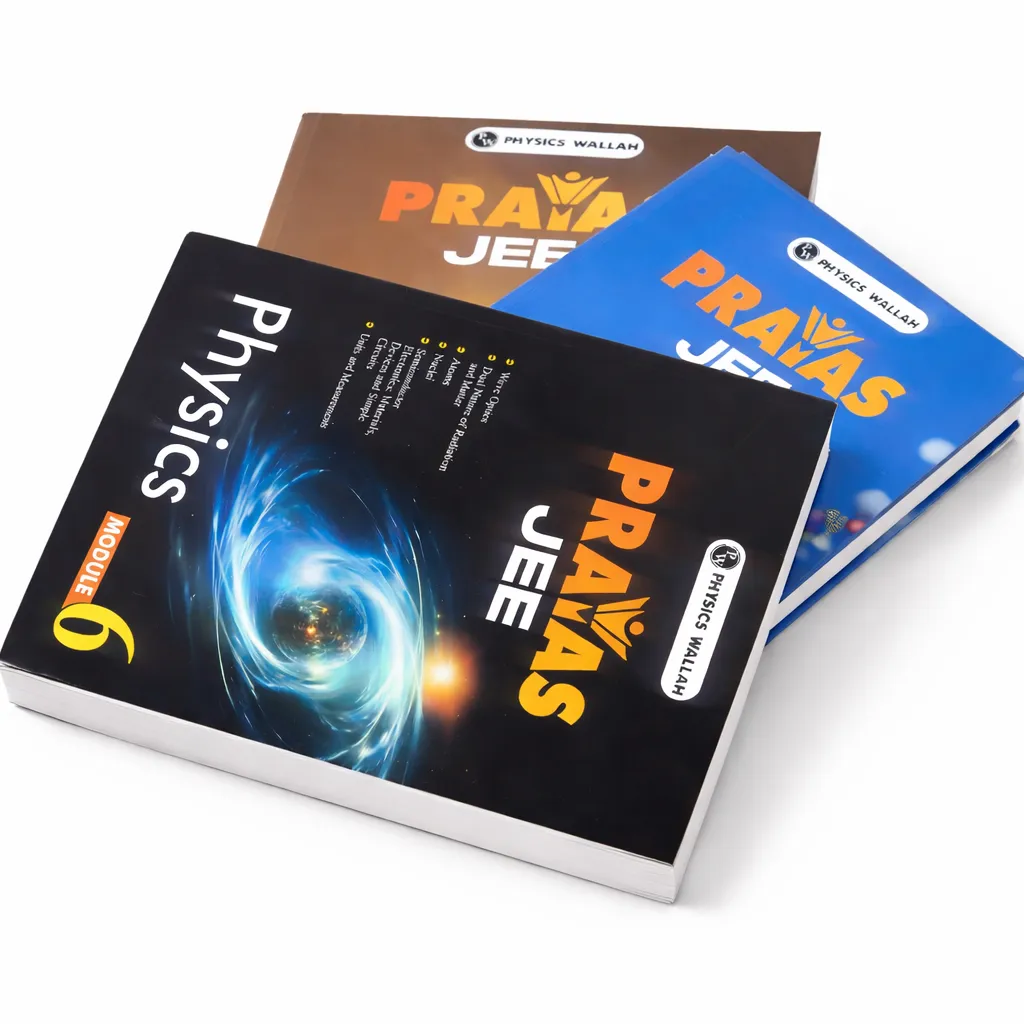
Because Biology is so scoring, structured chapter-wise modules with mind-maps and diagrams help lock in retention. The Careerwill NEET Study Module Set (23 modules, 4200+ pages) is built to the latest NTA pattern and maps directly onto this chapter list, which makes it easy to study Botany and Zoology in the exact order NEET tests them.
NEET Chapter-Wise Weightage: 3-Year Trend
Weightage tables on most sites are truncated to a handful of rows or show only one past year. Below is a consolidated, trend-based view of the highest-weightage chapters per subject, expressed as approximate questions typically asked. Treat these as planning estimates — the exact split varies year to year.
| Subject | High-Weightage Chapters | Approx. Questions (typical) |
|---|---|---|
| Physics | Modern Physics + Electronics | 8–10 |
| Physics | Electrodynamics (Electrostatics, Current, Magnetism) | 9–11 |
| Physics | Mechanics (Kinematics, Laws of Motion, Rotation) | 10–12 |
| Chemistry | Organic (GOC, Hydrocarbons, Oxygen compounds, Biomolecules) | 14–16 |
| Chemistry | Inorganic (Coordination, p-block, Periodicity, Bonding) | 13–15 |
| Chemistry | Physical (Equilibrium, Thermodynamics, Electrochemistry, Solutions) | 12–14 |
| Biology | Human Physiology | 13–15 |
| Biology | Genetics and Evolution | 12–14 |
| Biology | Ecology and Environment | 8–10 |
| Biology | Cell Biology + Biotechnology | 10–12 |
The pattern is stable across years: in Chemistry, Organic and Inorganic together out-score Physical; in Biology, Human Physiology and Genetics dominate; in Physics, Mechanics and Electrodynamics are the bedrock. Building your revision timetable around these neet syllabus chapter wise weightage bands is the single highest-ROI planning move.
NEET Deleted Syllabus 2026: What Was Removed vs Retained
When the NMC aligned NEET with the rationalised NCERT curriculum (2024 revision), several chapters and topics were trimmed, and this reduced scope carries into 2026. Many pages hedge on this or omit a clean list. Below is a commonly-cited deleted-topics reference for the neet deleted syllabus 2026. Because the NMC can issue updates, always cross-verify the final list against the official 2026 syllabus PDF before dropping any chapter.
| Subject | Topics/Chapters Trimmed or Deleted | Status for 2026 |
|---|---|---|
| Physics | Communication Systems (full chapter) | Removed |
| Physics | Portions of Physical World / measurement fringe topics | Reduced |
| Chemistry | States of Matter (Gaseous & Liquid) — large portions | Reduced/Removed |
| Chemistry | Surface Chemistry — significant portions | Reduced |
| Chemistry | Hydrogen; s-Block detailing; General Principles of Metallurgy | Reduced |
| Chemistry | Environmental Chemistry; Polymers; Chemistry in Everyday Life | Largely removed |
| Biology | Portions of plant/animal kingdom detailing and select classifications | Reduced |
Nothing was added to the NEET syllabus for 2026; the revision was a rationalisation (removal/merging), not an expansion. The practical takeaway: study from the latest NCERT editions, because older editions still contain deleted content that NEET no longer tests.
NCERT vs NEET: Topics That Differ Line-by-Line
A common student confusion is assuming NEET = every line of NCERT. Mostly true, with nuances worth knowing.
| Scenario | What It Means | Action |
|---|---|---|
| In NCERT but out of NEET | Deleted/rationalised topics still printed in some older books | Skip if confirmed deleted in current NCERT |
| In NEET, thin in NCERT | A few topics need slightly more depth than the textbook line | Supplement with a good module/reference |
| NCERT examples/diagrams | Frequently converted into direct questions | Never skip in-text examples & figures |
| Class 11 vs 12 overlap | Some concepts recur across both years | Study linked chapters together |
Bottom line: the current NCERT is your ceiling for coverage and your floor for revision — but reading strategy matters as much as scope.
Which Subject to Prioritise: Marks-per-Hour ROI
Generic “study hard” advice ignores that not every subject repays effort equally. Here is a return-on-investment view to help you allocate hours across the neet syllabus.
| Subject | Marks | Effort to Score | ROI Verdict |
|---|---|---|---|
| Biology | 360 | Moderate (memory-heavy, NCERT-faithful) | Highest — protect this first |
| Chemistry | 180 | Moderate (Inorganic is quick wins) | High — reliable scorer |
| Physics | 180 | High (concept + numerical) | Medium — decides top ranks |
Strategy: secure Biology and Inorganic/Organic Chemistry for a strong base, then invest incremental hours into Physics — because at the top end, Physics accuracy separates a 650 from a 700+.
How to Download the NEET Syllabus 2026 PDF
You can get the official neet 2026 syllabus pdf download straight from the source in a few steps:
- Visit the official NMC website (nmc.org.in) or the NTA NEET portal (neet.nta.nic.in).
- Open the “UG” / “NEET-UG” section and look for the latest syllabus notification.
- Download the subject-wise PDF (Physics, Chemistry, Biology) or the combined full-syllabus PDF.
- Save it and print the one-page checklist below to track chapters as you finish them.
Always prefer the NMC/NTA PDF over third-party copies, since only the official document reflects the final rationalised scope for the year.
How Many Chapters Are in the NEET Syllabus?
After NCERT rationalisation, the NEET syllabus spans approximately 79 to 97 chapters in total, depending on the counting method — Physics contributes about 19–20, Chemistry about 28–30, and Biology about 38 (Botany + Zoology combined). Nearly all are shared with the Class 11 and Class 12 NCERT curriculum, which is why NEET aspirants can prepare alongside their board syllabus with minimal extra load.
NEET 2026 Preparation Strategy & Recommended Books
A syllabus is only useful when paired with a plan. Use this sequence:
- NCERT first, always — finish and re-read the current-edition NCERTs for all three subjects, especially Biology and Inorganic Chemistry.
- Weightage-led revision — front-load Human Physiology, Genetics, Organic Chemistry, Coordination Compounds, Mechanics and Modern Physics.
- Chapter-wise practice + PYQs — solve previous-year questions chapter by chapter to internalise NEET’s phrasing.
- Full-length mocks — build stamina for 180 questions in 180 minutes with negative marking discipline.
Recommended Books & Modules
| Subject | Core (NCERT-anchored) | Supplementary |
|---|---|---|
| Physics | NCERT + concept modules | HC Verma, DC Pandey |
| Chemistry | NCERT (line-by-line) | Physical/Organic problem books |
| Biology | NCERT + Trueman’s Biology | Chapter-wise MCQ compilations |
For a single, exam-aligned resource that covers the full PCB scope with mind-maps and the latest NTA pattern, the Careerwill NEET Study Module Set — designed by Kota faculties — is a strong core to pair with NCERT. Students targeting both NEET and engineering often keep a JEE resource alongside: the PW Prayas JEE Modules (18-book set) and the eSaral IIT JEE Modules cover the Physics and Chemistry overlap in greater problem-solving depth, which sharpens the exact chapters that decide NEET Physics ranks.
Common Mistakes to Avoid
- Studying deleted topics from old NCERT editions — wasted hours.
- Neglecting Inorganic Chemistry — it offers fast, memory-based marks.
- Skipping NCERT diagrams and in-text examples in Biology.
- Chasing hard reference-book problems while NCERT lines go unread.
Printable One-Page NEET Syllabus Checklist
Print this tracker, tick each cluster as you complete first-read and revision, and you have an at-a-glance view of syllabus coverage.
| Subject Cluster | Key Chapters | 1st Read | Revised |
|---|---|---|---|
| Physics – Mechanics | Kinematics, Laws of Motion, WEP, Rotation, Gravitation | ☐ | ☐ |
| Physics – Electrodynamics | Electrostatics, Current, Magnetism, EMI & AC | ☐ | ☐ |
| Physics – Modern & Optics | Optics, Dual Nature, Atoms & Nuclei, Semiconductors | ☐ | ☐ |
| Chemistry – Physical | Thermodynamics, Equilibrium, Electrochemistry, Kinetics | ☐ | ☐ |
| Chemistry – Inorganic | Periodicity, Bonding, p-block, d/f-block, Coordination | ☐ | ☐ |
| Chemistry – Organic | GOC, Hydrocarbons, Oxygen compounds, Biomolecules | ☐ | ☐ |
| Biology – Botany | Diversity, Cell, Plant Physiology, Genetics, Ecology | ☐ | ☐ |
| Biology – Zoology | Human Physiology, Reproduction, Biotech, Evolution | ☐ | ☐ |
Frequently Asked Questions
What is the syllabus of NEET?
The NEET syllabus is the official list of Class 11 and Class 12 topics in Physics, Chemistry and Biology, notified by the NMC and tested by the NTA. It covers about 79–97 chapters across the three subjects and is drawn from the rationalised NCERT curriculum.
Is the NEET syllabus based on NCERT?
Yes. The NEET syllabus is based almost entirely on NCERT Class 11 and 12 textbooks, and the vast majority of questions can be traced directly to NCERT text, diagrams and examples — especially in Biology and Inorganic Chemistry.
How many chapters are there in the NEET syllabus?
There are approximately 79 to 97 chapters in total — roughly 19–20 in Physics, 28–30 in Chemistry and about 38 in Biology (Botany plus Zoology), depending on how rationalised chapters are counted.
Which chapters were deleted from the NEET syllabus?
Following the NCERT rationalisation, topics such as Physics Communication Systems, large portions of Chemistry States of Matter and Surface Chemistry, Environmental Chemistry, Polymers and Chemistry in Everyday Life were trimmed or removed. Always confirm against the official 2026 NMC syllabus PDF.
What is the chapter-wise weightage in NEET?
Chapter-wise weightage varies year to year, but the trend is stable: in Biology, Human Physiology (13–15 questions) and Genetics and Evolution (12–14) lead; in Chemistry, Organic and Inorganic together out-score Physical; in Physics, Mechanics (10–12) and Electrodynamics (9–11) carry the most marks. Plan revision around these high-weightage bands for the best return.
How many questions come from each subject in NEET?
NEET-UG has 180 questions worth 720 marks: Physics 45 questions (180 marks), Chemistry 45 questions (180 marks), and Biology 90 questions (360 marks), split as Botany 45 and Zoology 45. Each correct answer is +4, each wrong answer is −1.
Is the NEET syllabus the same as Class 11 and 12?
Largely yes — the NEET syllabus overlaps almost completely with the Class 11 and 12 NCERT curriculum, so board and NEET preparation can run together. The main difference is depth of practice and the exclusion of a few rationalised topics.
How can I download the NEET syllabus 2026 PDF?
Visit the official NMC website (nmc.org.in) or the NTA NEET portal (neet.nta.nic.in), open the NEET-UG section, and download the subject-wise or combined full-syllabus PDF from the latest notification.
Recommended Study Material


Continue Reading
UGC NET Syllabus 2025: Paper 1 & 2 Units, Weightage + PDF Download
The UGC NET syllabus has two parts: Paper 1, a common teaching and research aptitude paper (10 units,…
RRB Technician Syllabus 2026: Grade 1 & 3, Pattern + PDF
The rrb technician syllabus for 2026 is a single-stage Computer Based Test (CBT) offered in two roles —…
UPSC Exam Pattern 2026: Prelims, Mains, Marks & Merit
The UPSC exam pattern for the Civil Services Examination (CSE) has three stages — Prelims (objective, screening only),…