SBI PO Syllabus 2026: Prelims, Mains, Pattern & PDF
Complete SBI PO syllabus 2026 — subject-wise Prelims & Mains topics, exam pattern, weightage, negative marking, 16-week study plan + free PDF checklist.


The SBI PO syllabus covers three subjects in Prelims — English Language, Quantitative Aptitude and Reasoning Ability — and four objective sections plus a Descriptive test in Mains: Reasoning & Computer Aptitude, Data Analysis & Interpretation, General/Economy/Banking Awareness and English Language. Selection runs in three phases — Prelims (100 marks, qualifying only), Mains (230 marks) and Phase-3 (Psychometric Test, Group Exercise & Interview). Negative marking of 0.25 per wrong answer applies to every objective section.
This guide gives you the complete, subject-wise sbi po syllabus 2026 with the latest exam pattern, marking scheme, topic-wise weightage tables, a realistic week-wise study plan, best books per section, an SBI PO vs IBPS PO comparison, and a printable one-page PDF checklist — everything you need to plan your preparation from day one.
SBI PO Syllabus 2026: Quick Answer
- Phases: Prelims → Mains → Phase-3 (Group Exercise + Interview).
- Prelims: 3 sections, 100 marks, 60 minutes, sectional timing, qualifying only.
- Mains: 4 objective sections (200 marks) + Descriptive (30 marks), 3 hours 30 minutes total.
- Negative marking: 0.25 per wrong answer in all objective sections; no penalty for un-attempted questions.
- Highest weightage: Reasoning & Computer Aptitude and Data Analysis & Interpretation (60 marks each in Mains).
- Merit: Mains + Phase-3 in a 75:25 ratio; Prelims marks are not counted.
SBI PO Syllabus 2026 at a Glance
Before diving into topics, here is the full structure of the exam. The State Bank of India recruits Probationary Officers through a three-tier process conducted by SBI itself (not IBPS). Prelims is only a screening round — your final score depends on Mains and the interview phase.
| Component | Details |
|---|---|
| Conducting Body | State Bank of India (SBI) |
| Post | Probationary Officer (PO) |
| Selection Phases | Prelims → Mains → Phase-3 (Psychometric + Group Exercise + Interview) |
| Prelims Marks | 100 (qualifying only) |
| Mains Marks | 230 (200 objective + 30 descriptive) |
| Phase-3 Marks | 50 (Group Exercise 20 + Interview 30) |
| Negative Marking | 0.25 per wrong answer (objective) |
| Age Limit | 21–30 years (relaxation as per rules) |
| Medium | English & Hindi (except English section) |
SBI PO Selection Process 2026: The 3 Phases
Understanding the flow helps you allocate time correctly. Phase 1 filters lakhs of applicants, Phase 2 decides your merit, and Phase 3 tests personality and communication.
Phase 1 — Preliminary Examination
An online objective test of 100 marks with sectional timing. It is purely qualifying — marks are not added to the final merit list. Only a shortlisted number of candidates (roughly 10× the vacancies) advance to Mains.
Phase 2 — Main Examination
The decisive stage. It has four objective sections worth 200 marks and a Descriptive (English writing) test worth 30 marks. Both objective and descriptive marks (after qualifying the descriptive) count toward your final score.
Phase 3 — Psychometric Test, Group Exercise & Interview
Candidates who clear Mains are called for Phase 3. The Psychometric test profiles your personality (used as an input for the interview), while the Group Exercise (20 marks) and Interview (30 marks) together carry 50 marks that feed into the final merit list.
SBI PO Exam Pattern 2026: Prelims
The sbi po prelims syllabus is delivered across three sections in a 1-hour online test, each with its own 20-minute sectional time limit. You cannot move back to a previous section once its timer ends.
| Section | Questions | Marks | Duration |
|---|---|---|---|
| English Language | 30 | 30 | 20 minutes |
| Quantitative Aptitude | 35 | 35 | 20 minutes |
| Reasoning Ability | 35 | 35 | 20 minutes |
| Total | 100 | 100 | 60 minutes |
There is negative marking of 0.25 marks for every wrong answer. Candidates must clear the cut-off in each section as well as the overall cut-off to qualify.
SBI PO Exam Pattern 2026: Mains
The Mains has two parts — an objective test (200 marks) and a descriptive test (30 marks) — with a total duration of 3 hours 30 minutes. This is where the sbi po exam pattern 2026 rewards depth, especially in Data Interpretation and Banking Awareness.
| Section | Questions | Marks | Duration |
|---|---|---|---|
| Reasoning & Computer Aptitude | 45 | 60 | 60 minutes |
| Data Analysis & Interpretation | 35 | 60 | 45 minutes |
| General/Economy/Banking Awareness | 40 | 40 | 35 minutes |
| English Language | 35 | 40 | 40 minutes |
| Objective Total | 155 | 200 | 3 hours |
| Descriptive Test (Letter + Essay) | 2 | 30 | 30 minutes |
Sectional cut-offs apply to each Mains section. Negative marking of 0.25 continues in the objective test; the descriptive test is separately evaluated and must be qualified.
SBI PO Prelims Syllabus: Subject-Wise Topics
Here is the complete topic list for each Prelims section. Master these first because they form the foundation for Mains too.
Quantitative Aptitude
Simplification & Approximation, Number Series, Quadratic Equations, Data Interpretation (tables, bar, line, pie), Percentage, Ratio & Proportion, Average, Age problems, Profit & Loss, Simple & Compound Interest, Time & Work, Time-Speed-Distance, Mixtures & Alligations, Partnership, Mensuration, Permutation & Combination, Probability, and Data Sufficiency.
Reasoning Ability
Puzzles & Seating Arrangement (linear, circular, floor-based), Syllogism, Blood Relations, Direction Sense, Coding-Decoding, Inequality, Order & Ranking, Alphanumeric Series, Input-Output, and Data Sufficiency.
English Language
Reading Comprehension, Cloze Test, Para Jumbles, Sentence Correction/Improvement, Error Spotting, Fillers (single/double), Word Usage/Vocabulary, and Sentence Rearrangement.
| Section | High-Weightage Topics | Approx. Questions |
|---|---|---|
| Quantitative Aptitude | DI, Simplification, Number Series, Arithmetic word problems | 10–15 from DI & arithmetic |
| Reasoning Ability | Puzzles & Seating Arrangement | 15–20 |
| English Language | Reading Comprehension, Cloze Test | 10–14 |
SBI PO Mains Syllabus: Subject-Wise Topics
The sbi po mains syllabus expands the Prelims topics and adds Computer Aptitude, advanced Data Analysis, and a heavy General/Economy/Banking Awareness section that decides many results.
Reasoning & Computer Aptitude
Reasoning: complex Puzzles, Seating Arrangement, Syllogism, Input-Output, Data Sufficiency, Logical Reasoning (statement-assumption, cause-effect, course of action), Coding-Decoding, and Machine Input. Computer Aptitude: computer fundamentals, hardware/software, operating systems, MS Office, internet & networking, database basics, keyboard shortcuts, and computer abbreviations.
Data Analysis & Interpretation
Advanced DI (caselet, missing DI, radar/mixed graphs), Data Sufficiency, Probability, Permutation & Combination, Quantitative comparison, and arithmetic-based DI applications.
General/Economy/Banking Awareness
Current affairs (last 5–6 months), banking & financial awareness, RBI functions & monetary policy, banking terms and abbreviations, Indian economy, budget & economic survey highlights, static GK, government schemes, and international/national appointments and awards.
English Language
Reading Comprehension (analytical/economy-based passages), Cloze Test, Error Detection, Para Jumbles, Sentence Connectors, Word Swap/Rearrangement, and Vocabulary in context.
| Section | Most Scoring Areas | Difficulty |
|---|---|---|
| Reasoning & Computer Aptitude | Puzzles, Computer basics | High |
| Data Analysis & Interpretation | Caselet & missing DI | Very High |
| General/Economy/Banking Awareness | Banking + current affairs | Moderate (time-saver) |
| English Language | RC, Cloze Test | Moderate–High |
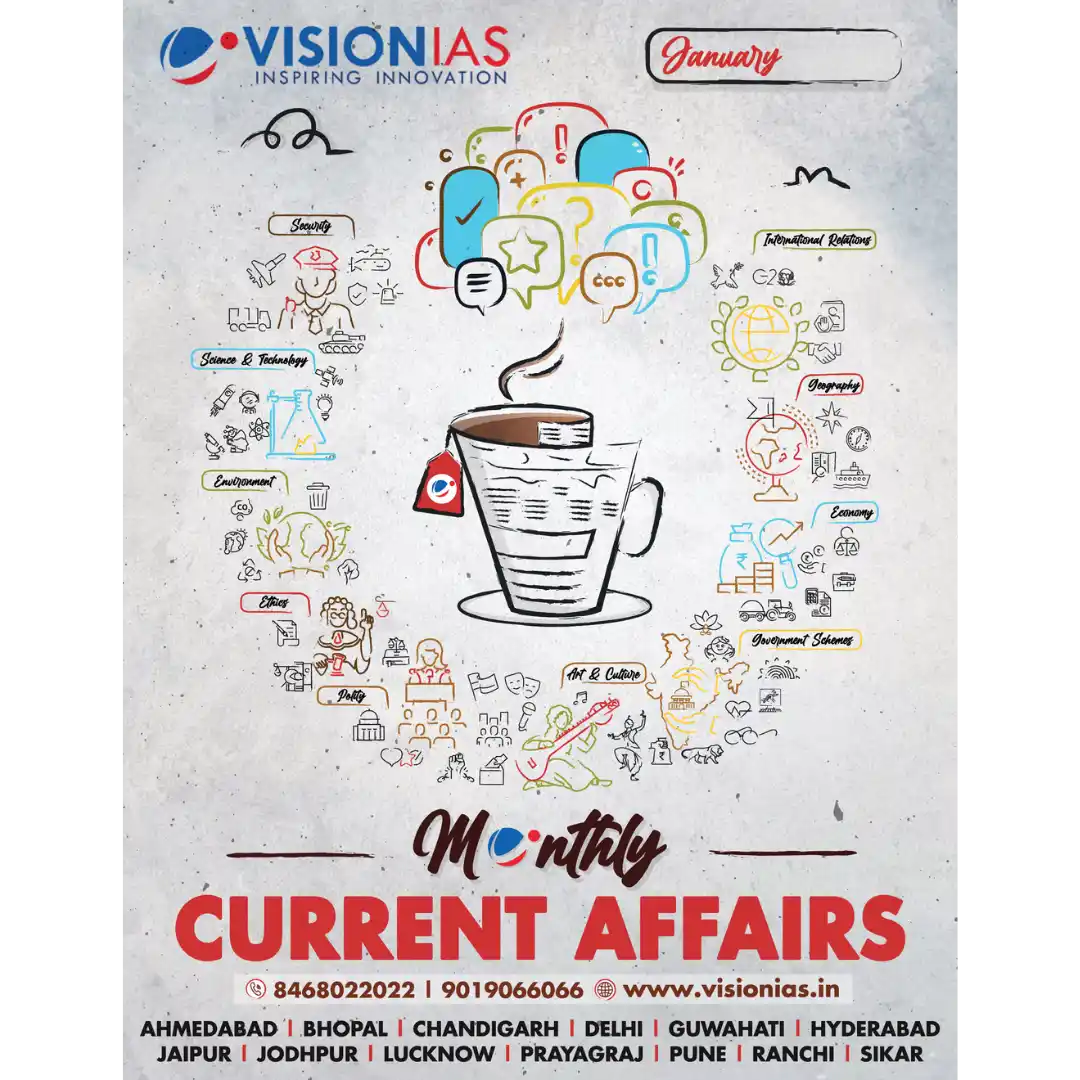
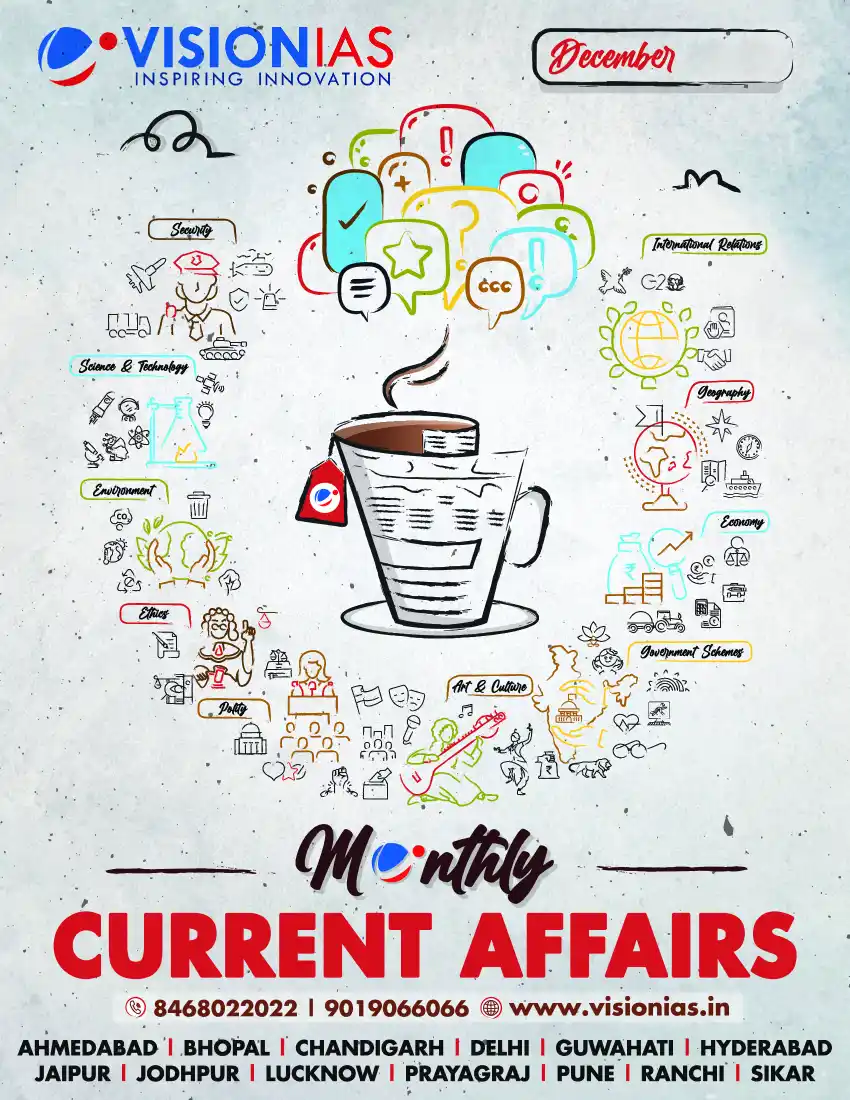
The Banking Awareness section is your fastest-scoring section — 40 questions in 35 minutes with no calculation. Building a strong current-affairs habit early pays off; monthly compilations such as this current affairs magazine and the previous month’s December edition help you cover the national, banking and economy news that PO exams frequently pick from.
SBI PO Descriptive Test 2026 (Letter + Essay)
The Descriptive test checks your written English through a letter and an essay. The marks are 30 and the time is 30 minutes for both tasks combined. It is conducted online (typed) immediately after the objective Mains.
| Task | Format | Suggested Length |
|---|---|---|
| Letter Writing | Formal / informal letter (application, complaint, request) | ~120–150 words |
| Essay Writing | Current/banking/social topic with a clear argument | ~250–300 words |
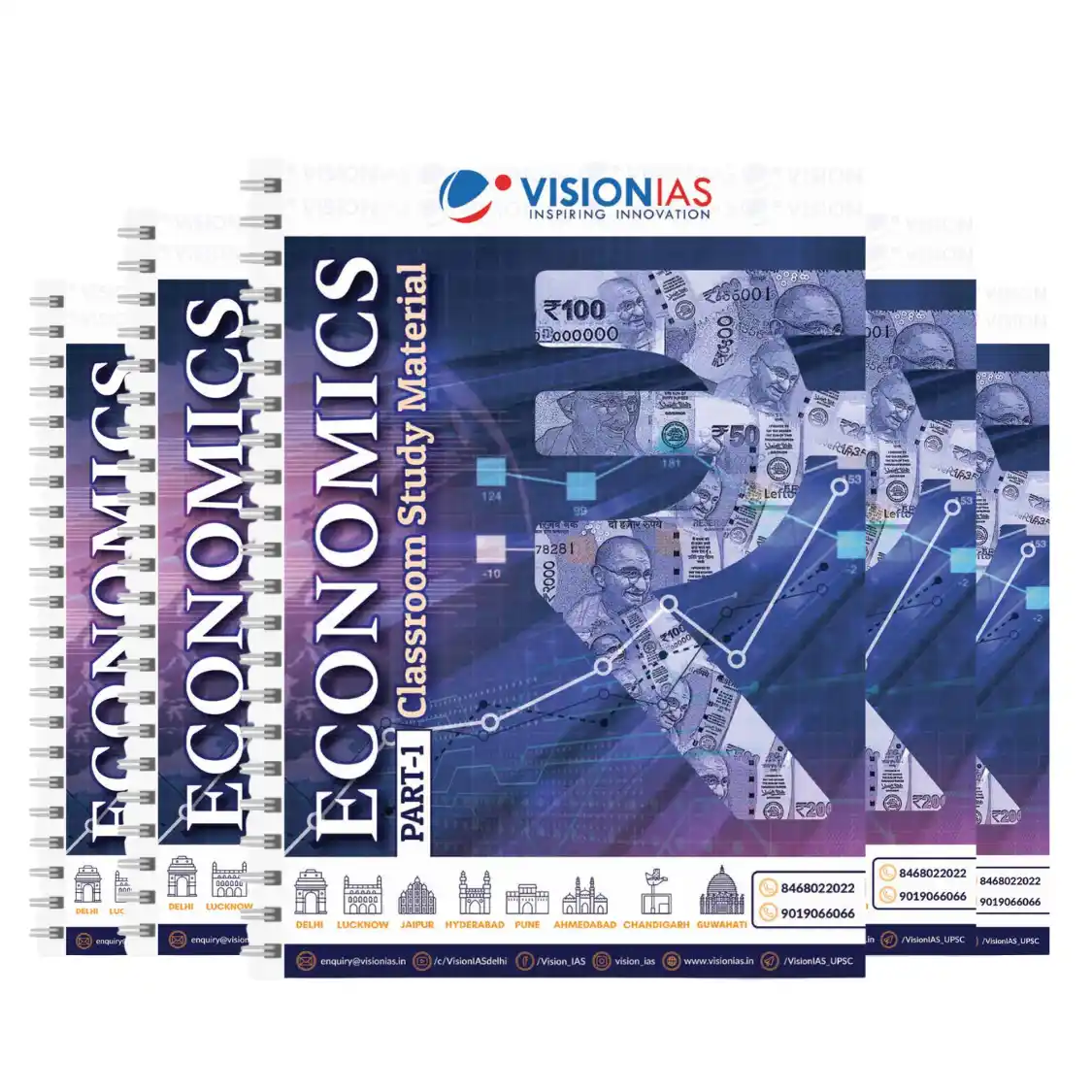
Scoring tips: stick to the word limit, use short paragraphs with an intro-body-conclusion structure, avoid grammatical errors, and back essays with 1–2 data points. Practising banking, economy and social themes helps most. Structured essay material like these essay notes can help you learn framing, introductions and conclusions that examiners reward, while an economics notes set strengthens the economy/banking content you will need for both the essay and the awareness section.
SBI PO Marking Scheme & Negative Marking
Every objective question carries the marks shown in the pattern tables, and 0.25 marks are deducted for each wrong answer. Un-attempted questions carry no penalty, so smart selection matters more than blind attempting.
| Rule | Detail |
|---|---|
| Correct answer | Full marks (as per section) |
| Wrong answer | −0.25 marks |
| Un-attempted | 0 marks |
| Sectional cut-off | Yes (Prelims & Mains) |
| Descriptive | Separately qualified, added to merit |
Because four wrong answers wipe out one correct answer, target 85–90% accuracy rather than maximum attempts. Note that no physical or on-screen calculator is provided — Mains DI is designed to be solved with fast mental maths and approximation, so build calculation speed early.
Subject-Wise Topic Weightage: High-ROI vs Low-ROI
Not every topic gives the same return. Based on previous years’ trends, here is where your hours are best spent — the sbi po subject wise topic weightage that matters most in sbi po syllabus 2026.
| Priority | Topics | Why |
|---|---|---|
| High ROI | Puzzles & Seating, Data Interpretation, Reading Comprehension, Banking & Current Affairs, Arithmetic word problems | Large, predictable question share every year |
| Medium ROI | Number Series, Simplification, Syllogism, Cloze Test, Error Spotting, Computer Aptitude | Steady 3–8 questions; quick to solve |
| Low ROI | Permutation & Combination, Probability, Mensuration, Input-Output (Prelims) | Few questions, high time cost |
If you are short on time, secure the High-ROI cluster first. Puzzles alone can decide the Reasoning score, and DI dominates both Quant and Data Analysis sections.
SBI PO Final Merit List Calculation
Prelims marks are not counted in the final result. The final merit is built from Mains and Phase-3 scores, which SBI normalises across shifts. The Mains and interview components are combined in a 75:25 weightage.
| Stage | Marks | Weightage in Merit |
|---|---|---|
| Prelims | 100 | Qualifying only (0%) |
| Mains (Objective + Descriptive) | 230 | Converted to 75 |
| Group Exercise + Interview | 50 | Converted to 25 |
| Final Merit | 100 | Mains 75 : Interview 25 |
Scores are normalised using the equi-percentile method to keep multiple shifts fair. In practice, a strong Mains score gives you a big head start into the interview.
SBI PO Study Plan 2026: Week-Wise Timetable
Competitors list topics but rarely sequence them. Here is a realistic ~16-week plan mapped directly to the syllabus, assuming 4–5 focused hours a day. Adjust the pace to your start date and vacancy notification.
| Weeks | Focus | Daily Split |
|---|---|---|
| 1–4 | Prelims basics: Quant arithmetic, Reasoning puzzles, English grammar & RC | Concept + 1 topic test daily |
| 5–7 | Speed building: DI sets, seating arrangements, cloze tests + daily current affairs | 2 sectional tests/day |
| 8–9 | Prelims mocks + revision of weak areas | 1 full mock + analysis daily |
| 10–12 | Mains focus: advanced DI, computer aptitude, banking & economy awareness | Concept + banking notes |
| 13–14 | Descriptive practice (essay + letter), Mains mocks | 1 essay + 1 letter daily |
| 15–16 | Full Mains mocks, current affairs revision, interview prep basics | Mock + revision |
Keep a printable revision tracker (included in the PDF below) and tick topics as you finish them — visible progress keeps momentum high.
Best Books & Resources per Section
Match resources to the syllabus rather than buying everything. Below is a practical mapping.
| Section | What to Use |
|---|---|
| Quantitative Aptitude / DI | Arithmetic + DI practice books, daily quizzes, PYQ sets |
| Reasoning & Computer Aptitude | Puzzle-focused practice books + computer awareness capsule |
| English Language | Grammar handbook + daily RC/editorial reading |
| General/Economy/Banking Awareness | Monthly current affairs magazines + banking capsule + economy notes |
| Descriptive | Essay & letter writing practice with model answers |
For the awareness and descriptive sections, curated notes save enormous time — a monthly current affairs magazine for banking/national news and structured essay notes for writing practice cover two of the trickiest areas efficiently.
SBI PO vs IBPS PO Syllabus: Key Differences
Many aspirants prepare for both. The core subjects overlap, so cross-preparation is efficient — but the exam pattern and difficulty differ.
| Feature | SBI PO | IBPS PO |
|---|---|---|
| Conducting Body | State Bank of India | IBPS (for participating banks) |
| Prelims Marks | 100 | 100 |
| Mains Objective | 200 (155 questions) | 200 (155 questions) |
| Descriptive Marks | 30 | 25 |
| Phase-3 | Group Exercise + Interview | Interview only |
| Difficulty Level | Generally higher | Moderate |
The syllabus content is almost identical, so mastering the SBI PO syllabus effectively covers IBPS PO too — SBI simply tests it at a slightly tougher level and adds a Group Exercise.
SBI PO Syllabus PDF Download
Want the whole thing on one printable page? Save this section as a PDF (use your browser’s Print → Save as PDF) to get a one-page sbi po syllabus pdf download with the exam pattern, all subject topics, weightage priorities and a revision tracker checklist. Pin it above your study desk and tick topics as you complete them:
- Prelims: English (30) + Quant (35) + Reasoning (35) = 100 marks, 60 min, sectional timing
- Mains objective: Reasoning & Computer (60) + DI (60) + GA/Economy/Banking (40) + English (40) = 200 marks
- Descriptive: Letter + Essay = 30 marks, 30 min
- Negative marking: 0.25 per wrong answer; no calculator allowed
- Merit: Mains 75 : Interview 25 (Prelims qualifying)
- High-ROI first: Puzzles, DI, RC, Banking Awareness, Arithmetic
Frequently Asked Questions
What is the syllabus of SBI PO 2026?
The SBI PO 2026 syllabus has three Prelims subjects — English Language, Quantitative Aptitude and Reasoning Ability — and four Mains objective sections: Reasoning & Computer Aptitude, Data Analysis & Interpretation, General/Economy/Banking Awareness and English Language, plus a Descriptive test (letter + essay) worth 30 marks.
What is the exam pattern for SBI PO Prelims and Mains?
Prelims is a 100-mark online test with three sections (English 30, Quant 35, Reasoning 35) in 60 minutes with 20-minute sectional timing, and is qualifying only. Mains is a 3-hour 30-minute test with four objective sections worth 200 marks plus a 30-mark Descriptive test, and its score decides your merit.
Is SBI PO exam tough to crack?
SBI PO is considered one of the tougher bank PO exams due to high competition and a challenging Mains, especially the Data Interpretation and Reasoning sections. However, with a structured 4–6 month plan, daily mocks and strong current-affairs revision, it is very much crackable — many candidates clear it through disciplined self-study.
Is there negative marking in the SBI PO exam?
Yes. There is a negative marking of 0.25 marks for every wrong answer in all objective sections of both Prelims and Mains. Un-attempted questions carry no penalty, so accuracy and smart question selection are more important than attempting everything.
Is a calculator allowed in the SBI PO exam?
No. Neither a physical nor an on-screen calculator is allowed in the SBI PO Prelims or Mains. All calculations must be done manually, so practising fast mental maths, tables and approximation techniques for Data Interpretation is essential.
How many attempts are allowed for SBI PO?
General category candidates get 4 attempts, OBC candidates get 7 attempts, and SC/ST candidates have no limit on the number of attempts (subject to the upper age limit of 30 years, with category-wise relaxations). PwBD candidates get additional attempts as per rules.
Which subjects have the highest weightage in SBI PO?
In Mains, Reasoning & Computer Aptitude and Data Analysis & Interpretation carry 60 marks each — the highest weightage. Within topics, Puzzles & Seating Arrangement, Data Interpretation, Reading Comprehension and Banking/Current Affairs deliver the most questions and the best return on study time.
Can I clear SBI PO without coaching by self-study?
Yes. Many candidates clear SBI PO purely through self-study using the correct syllabus, quality notes, daily current-affairs reading, and consistent mock-test practice with analysis. A disciplined timetable, section-wise revision and honest error tracking matter more than coaching for this exam.
Recommended Study Material
Continue Reading
UPTET Syllabus 2026: Paper 1 & 2 Subject-Wise + PDF (Hindi)
The UPTET syllabus is divided into two papers — Paper 1 for candidates who want to teach Classes…
Super TET Syllabus 2025: Subject-Wise Marks + PDF
The Super TET syllabus is a single 150-mark objective paper covering 10 subject heads — Language (40 marks),…
WBCS Syllabus 2026: Prelims, Mains, Optional + PDF
The WBCS syllabus for 2026 is set by the West Bengal Public Service Commission (WBPSC) and runs across…