UGC NET History Syllabus 2025: All 10 Units, Weightage + PDF
UGC NET History syllabus 2025 (Paper 2, Code 06) — all 10 units, exam pattern, unit-wise weightage, best books, study plan & free PDF in English & Hindi.

The UGC NET History syllabus (Subject Code 06) is set by the NTA and is built around 10 units in Paper 2, spanning Prehistory to Post-Independence India plus historiography and historical method. Paper 2 has 100 questions worth 200 marks (2 marks each) with no negative marking, while Paper 1 (Teaching & Research Aptitude) is common to all subjects. This guide gives you the complete unit-wise syllabus, the exam pattern, a PYQ-based weightage map, high-yield micro-topics, the best books, a 90–120 day study plan, and where to get the free syllabus PDF in English and Hindi.
Last reviewed: August 2025. Everything below reflects the NTA syllabus structure currently in force for Subject Code 06; always cross-check the exact topic wording against the official PDF on ugcnet.nta.ac.in before your attempt.
UGC NET History Syllabus 2025: Quick Overview
UGC NET (National Eligibility Test) is conducted by the National Testing Agency (NTA) twice a year to determine eligibility for Assistant Professor and Junior Research Fellowship (JRF) in Indian universities and colleges. History aspirants attempt Subject Code 06. The exam is a single 3-hour Computer Based Test (CBT) with Paper 1 and Paper 2 conducted back to back in one session.
Paper 2 tests your command over the entire sweep of Indian history — Ancient, Medieval and Modern — along with sources, archaeology, art and architecture, socio-economic history, the national movement, and the theory and method of history writing (historiography). The syllabus is thematic and unit-based rather than a simple chronological list, so you must be able to move across periods within a single theme (for example, tracing agrarian systems from the Mauryas to the colonial era).
The NTA History syllabus has not been structurally changed for the recent cycles — it remains the same 10-unit framework NTA has used since its last major revision. In practice this means the syllabus you prepare from this year stays valid for upcoming attempts unless NTA issues a fresh notification, so you can build a multi-attempt strategy on it with confidence.
UGC NET History Exam Pattern and Syllabus at a Glance
Before the topic list, fix the UGC NET History exam pattern and syllabus structure in your mind. Both papers are objective (MCQ), and the marks of both are added to compute your final merit and JRF/Assistant Professor cut-off.
| Feature | Paper 1 | Paper 2 (History) |
|---|---|---|
| Nature | Teaching & Research Aptitude (common) | History subject (Code 06) |
| Number of questions | 50 | 100 |
| Total marks | 100 | 200 |
| Marks per question | 2 | 2 |
| Negative marking | None | None |
| Duration | 3 hours (180 minutes) combined, no separate timing | |
| Question type | Objective Multiple Choice (MCQ) | |
| Medium | English & Hindi (bilingual paper) | |
Total: 150 questions, 300 marks, 3 hours. Since there is no negative marking, you should attempt every question. Paper 1 is subject-neutral, so pair your History revision with dedicated aptitude, teaching, and research-methodology practice — it is a full 100 marks and is often where borderline candidates gain or lose their qualification.
UGC NET History Syllabus Paper 2: All 10 Units (Unit-Wise)
Here is the complete UGC NET History syllabus unit wise for Paper 2. The 10 units run from prehistoric sources through to the historiography of India, covering Ancient, Medieval and Modern periods. This is also the core of any UGC NET History syllabus paper 2 search — everything the objective paper draws from sits in these ten blocks.
Unit 1 — Sources, Prehistory and Harappan Civilisation
Concept of history and its relationship with other social sciences; sources of ancient Indian history — archaeological and literary; historical geography; Palaeolithic, Mesolithic, Neolithic and Chalcolithic cultures; the Harappan (Indus Valley) Civilisation — origin, extent, town planning, economy, society, religion, seals, script and decline.
Unit 2 — From State to Empire (Vedic to Mauryan Age)
Vedic age — polity, society, economy and religion; Later Vedic period; Mahajanapadas and the rise of Magadha; Jainism and Buddhism; Persian and Greek (Alexander) invasions; the Mauryan Empire — Chandragupta, Ashoka, Kautilya’s Arthashastra, administration, Ashokan edicts, Dhamma, art and architecture.
Unit 3 — Post-Mauryan to Early Medieval Kingdoms
Post-Mauryan polities — Sungas, Kanvas, Satavahanas, Indo-Greeks, Sakas, Kushanas; the Gupta and Vakataka age — the classical age of art, literature, science and administration; post-Gupta / Vardhana period (Harsha); South Indian kingdoms — Sangam age, Cholas, Pallavas, Chalukyas, Rashtrakutas; feudalism debate and tri-partite struggle.
Unit 4 — Medieval India: Sources and the Delhi Sultanate
Sources of medieval Indian history — Arabic, Persian and regional; Arab and Turkish invasions; the Delhi Sultanate — Slave, Khilji, Tughlaq, Sayyid and Lodi dynasties; administration, economy, market reforms of Alauddin Khilji; Vijayanagara and Bahmani kingdoms; the Bhakti and Sufi movements.
Unit 5 — The Mughals: Administration and Economy
Establishment of the Mughal Empire — Babur to Aurangzeb; the Sur interregnum (Sher Shah); Mughal administration — Mansabdari and Jagirdari systems; land revenue (Todar Mal’s Bandobast, Zabti); trade, commerce and urbanisation; the rise of the Marathas and Shivaji; decline of the Mughal Empire.
Unit 6 — Society, Religion, Art and Culture (Ancient & Medieval)
Social structure, varna and jati, position of women, education; religious movements and syncretic traditions; Indo-Islamic architecture; regional art, painting (Mughal and Rajput schools), music; developments in science, technology and literature across the ancient and medieval periods.
Unit 7 — Modern India: Sources and the Rise of British Power
Sources of modern Indian history — archival records, memoirs, newspapers; European trading companies and the establishment of British power; Battles of Plassey and Buxar; expansion policies — Subsidiary Alliance and Doctrine of Lapse; structure of British administration, army and judiciary.
Unit 8 — Colonial Economy and Socio-Religious Reform
Colonial economy — land revenue settlements (Permanent, Ryotwari, Mahalwari), commercialisation of agriculture, de-industrialisation, drain of wealth, famines, railways and modern industry; 19th-century socio-religious reform movements — Brahmo Samaj, Arya Samaj, Aligarh movement, Ramakrishna Mission and others; education and the press.
Unit 9 — The National Movement and Post-Independence India
The Revolt of 1857; growth of nationalism and the Indian National Congress; Moderates and Extremists; Swadeshi movement; Gandhian phase — Non-Cooperation, Civil Disobedience and Quit India; revolutionary movements; Muslim League and Partition; integration of princely states; making of the Constitution; nation-building and major developments in post-Independence India.
Unit 10 — Historical Method, Historiography and Research
Meaning, scope and importance of history; objectivity and bias in history; causation in history; approaches to historiography — Positivist, Marxist, Subaltern, Annales, feminist and postmodern; ancient Indian, medieval and colonial historiography; historical research method — heuristics, criticism, synthesis and presentation.
UGC NET History Syllabus Unit-Wise Weightage (PYQ-Based Priority Map)
Most syllabus pages only dump the 10-unit list. What actually helps you score is knowing where the marks concentrate. Based on previous-year question (PYQ) trends across recent NTA cycles, here is an approximate weightage and priority map for the 100 Paper 2 questions. Treat these as planning estimates, not fixed quotas — NTA does not publish official unit weightage, and the exact split varies shift to shift.
| Unit | Theme | Approx. Questions | Priority |
|---|---|---|---|
| Unit 1 | Sources, Prehistory, Harappa | 8–11 | High |
| Unit 2 | Vedic to Mauryan | 9–12 | High |
| Unit 3 | Post-Mauryan to Early Medieval | 8–10 | Medium |
| Unit 4 | Delhi Sultanate, Bhakti-Sufi | 9–12 | High |
| Unit 5 | Mughals, Administration, Economy | 8–11 | High |
| Unit 6 | Society, Art & Culture | 7–9 | Medium |
| Unit 7 | Modern sources, British power | 7–9 | Medium |
| Unit 8 | Colonial Economy & Reform | 8–10 | High |
| Unit 9 | National Movement & Post-1947 | 11–14 | Very High |
| Unit 10 | Historiography & Method | 9–12 | Very High |
Which unit carries the highest weightage in UGC NET History? Consistently, Unit 9 (National Movement and Post-Independence India) and Unit 10 (Historiography and Historical Method) deliver the most questions. Historiography is a favourite because it is precise and factual (schools, historians, key texts) and is under-prepared by candidates who focus only on chronology — making it a high-return, low-competition zone. If your time is short, front-load these two units and Unit 4 before anything else.
High-Yield Micro-Topics That Repeat Every Year
Generic “important topics” lists are useless. Below is a PYQ-based tracker of the micro-topics that surface again and again in UGC NET History Paper 2. Master these first, then broaden.
| Unit | Repeating High-Yield Micro-Topics |
|---|---|
| Unit 1 | Harappan sites & their finds (Lothal, Dholavira, Kalibangan), seals, Neolithic sites |
| Unit 2 | Ashokan edicts & their locations, Buddhist councils, Arthashastra concepts, 16 Mahajanapadas |
| Unit 3 | Gupta coins & inscriptions, Sangam literature, Chola local self-government |
| Unit 4 | Alauddin Khilji’s market reforms, Bhakti saints & Sufi silsilas, Ibn Battuta |
| Unit 5 | Mansabdari-Jagirdari, land revenue systems, Mughal-era foreign travellers |
| Unit 6 | Temple architecture styles (Nagara, Dravida, Vesara), Rajput & Mughal painting schools, Sangam & Sanskrit texts |
| Unit 7 | Regulating & Charter Acts, Governor-Generals & their reforms, Subsidiary Alliance states, Plassey/Buxar |
| Unit 8 | Land revenue settlements, drain of wealth theorists, reform-movement founders & their journals |
| Unit 9 | 1857 leaders & centres, Congress sessions & presidents, Gandhian movements & dates, key acts |
| Unit 10 | Historiographical schools, Annales/Subaltern/Marxist historians & their works |
Notice how many questions are match-the-following, chronological ordering, and assertion-reason in format — so rote facts (who, where, when, which text) matter more than long descriptive understanding. Practising topic-wise previous-year questions is the fastest way to internalise these recurring patterns.
UGC NET History Syllabus 2025 PDF Download (English & Hindi)
You can get the official UGC NET History syllabus 2025 PDF free from the NTA website (ugcnet.nta.ac.in) under the “Syllabus” / “Information Bulletin” section — Subject Code 06. The same PDF page carries the bilingual version, so a UGC NET History syllabus PDF download in both English and Hindi comes from a single source. Because the NTA copy is the authoritative one, always treat it as the final word on topic wording if any coaching note or blog disagrees.
| Version | Where to Download | Best For |
|---|---|---|
| English PDF | ugcnet.nta.ac.in → Syllabus → Code 06 | English-medium aspirants |
| Hindi PDF (हिंदी) | Same NTA syllabus page (bilingual) | Hindi-medium aspirants |
| One-page cheat-sheet | Make your own 10-unit checklist (template below) | Quick revision & tracking |
Tip: download the NTA PDF once and pair it with a printable one-page checklist — list all 10 units as rows with columns for “first read / revised / PYQ done” so you can track syllabus completion at a glance. Hindi-medium candidates preparing history from standard sources will also find Hindi-medium study material useful for building the same conceptual base in their language.
UGC NET History Syllabus in Hindi (हिंदी में सारांश)
Yes — the UGC NET History syllabus in Hindi is fully available. Here is a quick bilingual snapshot of the 10 units so Hindi-medium aspirants get a real on-page breakdown, not just a PDF link:
| Unit | English | हिंदी |
|---|---|---|
| 1 | Sources & Harappan Civilisation | स्रोत एवं हड़प्पा सभ्यता |
| 2 | Vedic to Mauryan Empire | वैदिक से मौर्य साम्राज्य तक |
| 3 | Post-Mauryan & Gupta Age | मौर्योत्तर एवं गुप्त काल |
| 4 | Delhi Sultanate & Bhakti-Sufi | दिल्ली सल्तनत एवं भक्ति-सूफी |
| 5 | Mughal Administration & Economy | मुगल प्रशासन एवं अर्थव्यवस्था |
| 6 | Society, Art & Culture | समाज, कला एवं संस्कृति |
| 7 | Modern Sources & British Power | आधुनिक स्रोत एवं ब्रिटिश सत्ता |
| 8 | Colonial Economy & Reform | औपनिवेशिक अर्थव्यवस्था एवं सुधार |
| 9 | National Movement & Post-1947 | राष्ट्रीय आंदोलन एवं स्वतंत्रता के बाद |
| 10 | Historiography & Method | इतिहास-लेखन एवं पद्धति |
Best Books for UGC NET History (Unit-to-Source Mapping)
The smartest way to cover the syllabus is to map each unit to a standard book or NCERT chapter, instead of reading random material. Here is a source-to-topic map trusted by successful candidates.
| Unit / Theme | Recommended Source |
|---|---|
| Ancient India (Units 1–3) | R.S. Sharma — Ancient India; Upinder Singh; Old NCERT (Class 11) |
| Medieval India (Units 4–5) | Satish Chandra — Medieval India (2 vols); NCERT |
| Modern India (Units 7–9) | Bipan Chandra — India’s Struggle for Independence; Spectrum |
| Art & Culture (Unit 6) | Nitin Singhania — Indian Art & Culture; NCERT Fine Arts |
| Historiography (Unit 10) | E.H. Carr — What is History?; E. Sreedharan; Romila Thapar essays |
| Paper 1 (aptitude) | KVS Madaan / Trishna’s UGC NET Paper 1 |
| PYQ practice | Previous-year question compilations & mock tests |
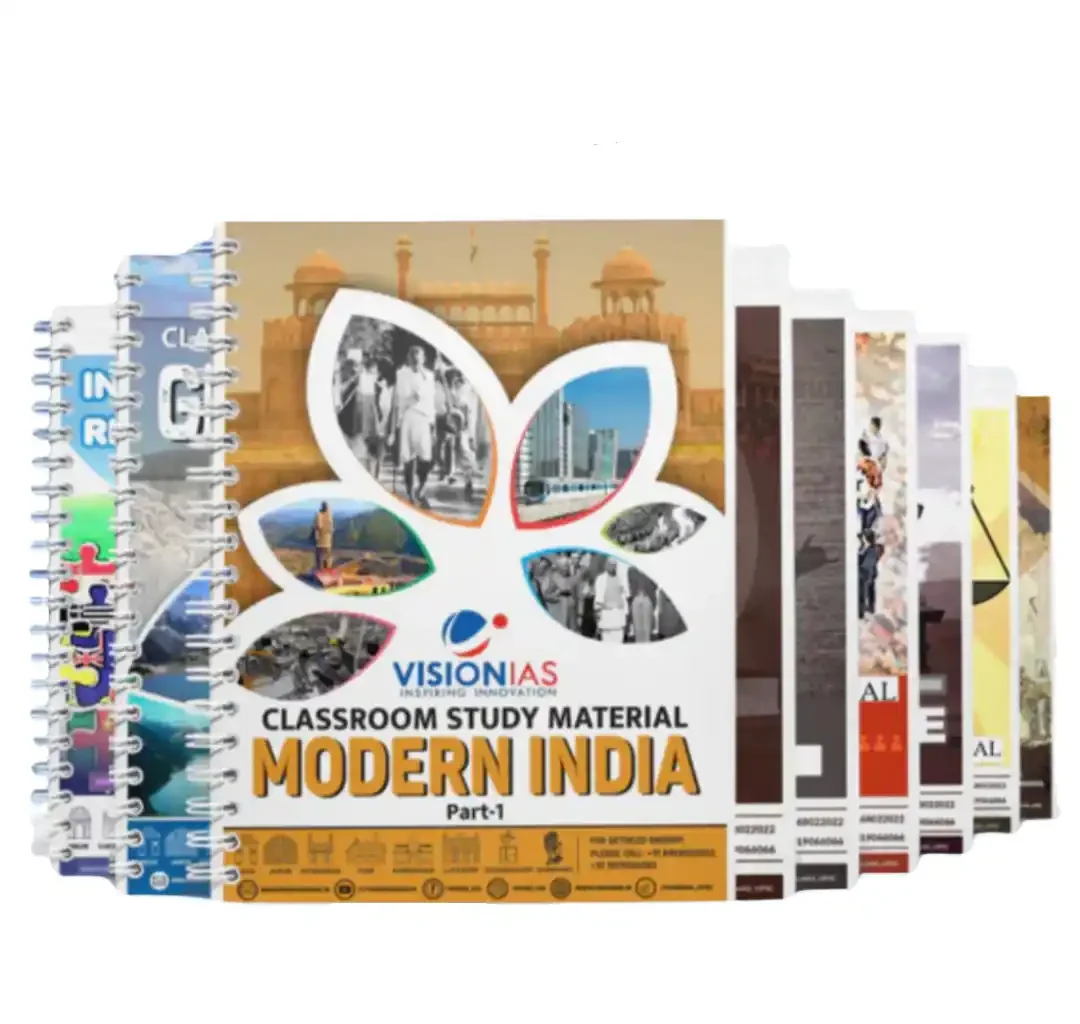
Because much of History overlaps with the UPSC General Studies base, many aspirants build their foundation using comprehensive GS material. Well-structured GS notes can strengthen your ancient, medieval and modern history reading, while a dedicated syllabus booklet keeps the exact topic scope in front of you as you revise.
UGC NET History Preparation Strategy & Study Plan
A serious aspirant can clear UGC NET History in around 90–120 days of focused study. Here is a structured, unit-tied plan rather than a vague “read everything” schedule.
| Phase | Timeline | Focus |
|---|---|---|
| Foundation | Weeks 1–3 | Units 1–3 (Ancient) + start Paper 1 daily |
| Build-up | Weeks 4–6 | Units 4–6 (Medieval, Culture) + Paper 1 |
| Modern focus | Weeks 7–9 | Units 7–9 (Modern & National Movement) |
| Theory edge | Weeks 10–11 | Unit 10 (Historiography) — high ROI |
| PYQ + Mocks | Weeks 12–14 | Full-length mocks, PYQ analysis, weak-area repair |
| Revision | Final 10 days | Cheat-sheet, dates, maps, one-liners only |
Daily template that works
- 2 hours: current History unit (read + short notes)
- 1 hour: Paper 1 aptitude/research methodology
- 1 hour: PYQ / topic-wise MCQ practice
- 30 min: revision of the previous day’s facts
Weight your time toward Units 9 and 10 in the second half — they carry the most marks and are the most scoring for disciplined candidates. Regular full-length mock tests under timed conditions are non-negotiable, since 150 questions in 180 minutes demands speed and accuracy.
Common Mistakes to Avoid
- Ignoring Paper 1: It is 100 marks and highly scoring — neglecting it costs qualifiers their cut-off.
- Skipping Historiography (Unit 10): It is factual and high-weightage, yet most candidates under-prepare it.
- Reading without PYQ analysis: Without solving previous years, you miss the match-the-following and assertion-reason patterns NTA favours.
- Endless note-making: Prefer one standard source per unit and revise it multiple times over collecting many books.
- Not attempting every question: With no negative marking, a blank answer is a wasted mark.
- Late mocks: Starting full-length tests too late leaves no time to fix time-management gaps.
Internal Resources: PYQ, Mock Tests & Notes
To convert this syllabus into a rank, back it with structured practice. Use topic-wise previous-year question compilations to drill recurring facts, comprehensive GS study notes to cover the ancient-medieval-modern base, and a latest syllabus booklet to keep your scope exact. Hindi-medium aspirants can anchor their history reading with Hindi-medium study material.
Frequently Asked Questions
How many units are there in the UGC NET History syllabus?
The UGC NET History syllabus (Paper 2, Subject Code 06) has 10 units, running from Sources and Prehistory in Unit 1 to Historiography and Historical Method in Unit 10, covering Ancient, Medieval and Modern India.
Is there negative marking in UGC NET History?
No. There is no negative marking in UGC NET, including History. Every question carries 2 marks and wrong answers are not penalised, so you should attempt all 100 questions in Paper 2 and all 50 in Paper 1.
How many questions are asked in UGC NET History Paper 2?
UGC NET History Paper 2 has 100 objective questions worth 200 marks (2 marks each). Together with Paper 1’s 50 questions (100 marks), the full exam is 150 questions and 300 marks in 3 hours.
Which unit carries the highest weightage in UGC NET History?
Based on previous-year trends, Unit 9 (National Movement and Post-Independence India) and Unit 10 (Historiography and Historical Method) consistently carry the most questions, followed by Units 2, 4 and 5. NTA does not publish official unit weightage, so treat these as PYQ-based planning estimates rather than fixed numbers.
Is the UGC NET History syllabus available in Hindi?
Yes. NTA publishes the History syllabus bilingually, so the UGC NET History syllabus in Hindi is available on the same official syllabus PDF (ugcnet.nta.ac.in), and the exam paper itself is set in both English and Hindi.
Is the UGC NET History syllabus the same for JRF and Assistant Professor?
Yes. The syllabus, paper pattern and questions are identical for both JRF and Assistant Professor. Only the qualifying cut-off differs — JRF requires a higher score and an age limit applies, while Assistant Professor eligibility has a lower cut-off.
Does NTA change the UGC NET History syllabus every year?
No. NTA does not revise the History syllabus every year. The 10-unit framework for Subject Code 06 has stayed the same across recent cycles, and changes only happen when NTA issues an official revision notification. Always confirm the current version on the official syllabus PDF before you start, but you can safely prepare across multiple attempts from the same structure.
Can I clear UGC NET History without coaching?
Yes, many candidates clear it through self-study. With the standard books mapped to each unit, disciplined revision of high-weightage Units 9 and 10, consistent PYQ practice and regular mock tests, coaching is optional rather than essential for UGC NET History.
Recommended Study Material

Continue Reading
Super TET Syllabus 2026: Subject-Wise Topics, Exam Pattern & PDF (Hindi & English)
The Super TET syllabus covers 10 subjects across 150 objective questions worth 150 marks, tested in a single…
KPSC Syllabus 2026: KAS Prelims, Mains, Pattern + PDF
The KPSC syllabus for the KAS (Gazetted Probationers) exam is a three-stage structure: a Prelims screening test with…
SSC CGL Exam Pattern 2026: Tier 1 & 2, Marks, Timing
The SSC CGL exam pattern is a two-tier, fully computer-based (CBT) selection process: Tier 1 is a 100-question,…